This complete guide covers the origins of musical spoons, the differences between wood and metal, how size and hand size affect playing, how to choose the right spoons, and how to play using basic rhythms, traditional techniques and drum-style patterns. You’ll also learn practical beginner tips for improving grip, timing, control and sound.
What Are Musical Spoons?
Musical spoons are a simple percussion instrument played by striking a pair of spoons together to create rhythmic clicks, rolls and accents. They are strongly associated with folk music traditions and can be played using purpose-made musical spoons or ordinary spoons.
Where Did Musical Spoons Originate?
Spoon playing has ancient roots, with spoon-like percussion depicted in Ancient Egypt and references to spoons used for entertainment in Roman times. Over centuries, everyday utensils became folk instruments across cultures: Irish and Scottish musicians played spoons alongside fiddles, Russian lozhki, Greek koutalakia and Turkish kaşıklar accompanied traditional music and dance. In America, spoons became popular in Appalachian folk and jug bands, often alongside washboards and jugs. The 20th-century folk revival helped sustain the tradition, and spoons remain valued in folk, roots and bluegrass music for their crisp, expressive rhythms.
Wood vs Metal Musical Spoons

Wooden spoons produce a warm natural tone and they have a comfortable grip that is suitable for beginners, folk music and acoustic playing. Metal spoons are brighter, sharper and louder giving them greater projection in noisy settings or when you want a more pronounced attack. The difference comes from how the materials respond to impact: metal creates a tight defined strike, while wood absorbs some of the impact softening the sound.
What Size Musical Spoons Should You Choose?

Musical spoon size is influenced more by the depth of the spoon bowls and thickness of the wood than overall length. Shallower, thinner spoons produce a brighter, higher-pitched click with a fast response, making them suited to quicker rhythms and clear articulation. Deeper, thicker spoons produce a warmer, lower-pitched sound with more body and resonance, suited to slower grooves and accompaniment. For beginners, a medium-depth set offers a good balance of clarity, warmth and responsiveness, while experienced players can choose based on the tone and playing feel they prefer.
Does Hand Size Affect Musical Spoons?

Hand size has a small effect on playing the musical spoons. Larger hands may find spacing easier, while smaller hands may need to adjust their grip but technique matters more than hand size. Hold the spoons loosely enough to rebound naturally and space them so they strike cleanly—too wide can produce inconsistent contact, while too tight restricts movement. With the right grip, spacing and technique, most players can achieve a clean sound.
Where to Buy Musical Spoons?

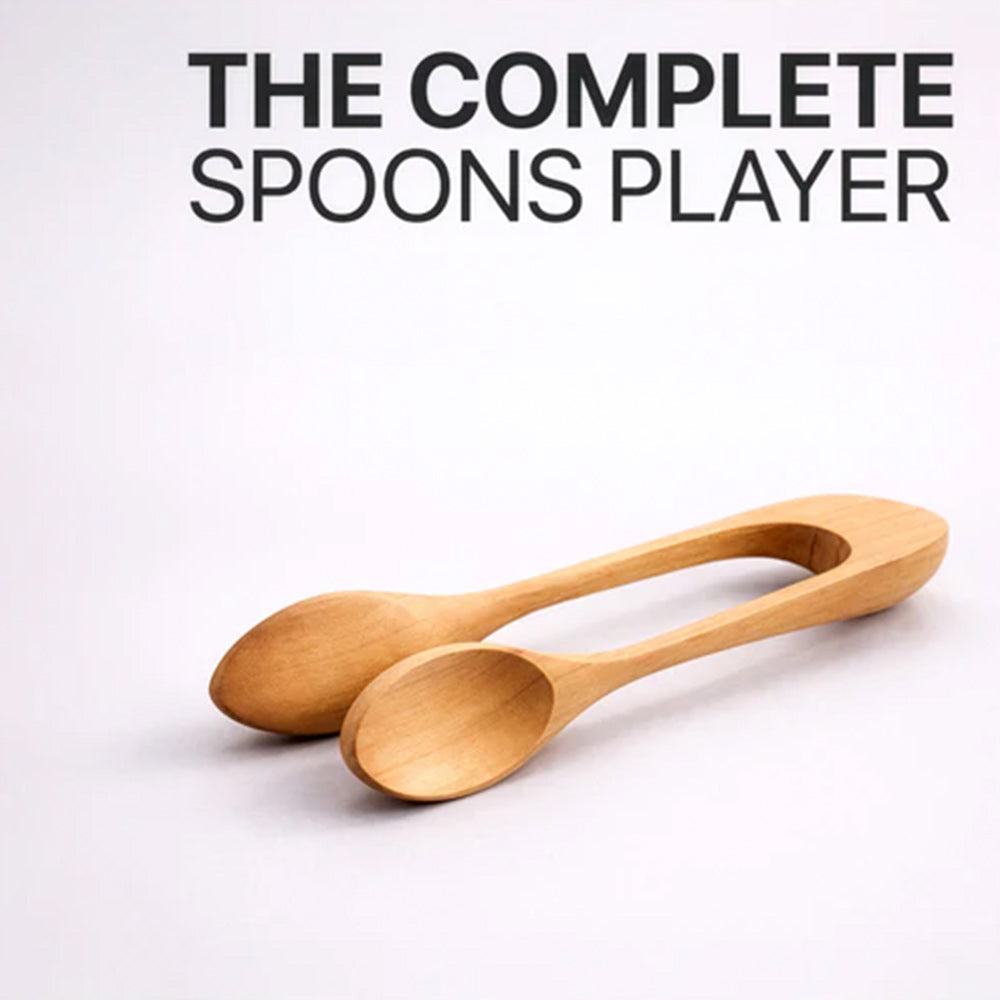
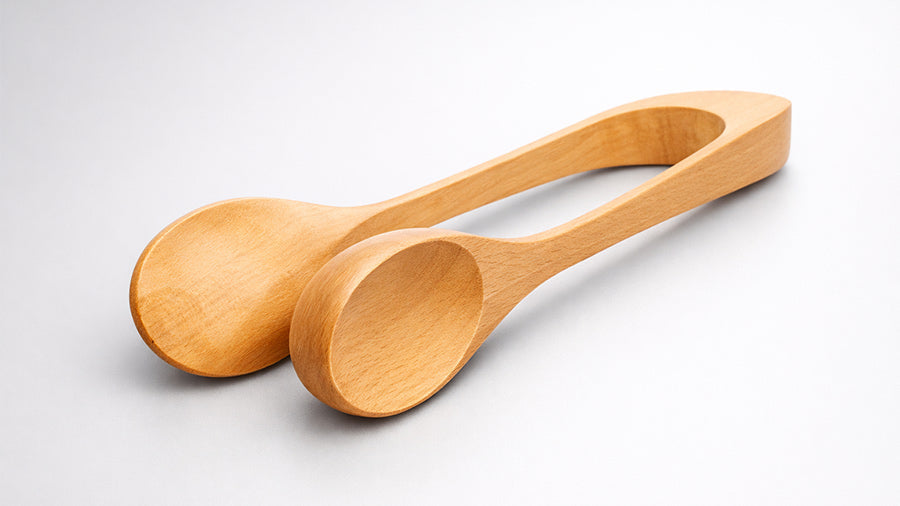
The Lakara Spoons Clapper is handcrafted in Indonesia from solid suar wood, producing a warm tone with clear attack. Lightweight, durable and easy to play, it responds naturally when struck against your palm or leg, with changes in speed and pressure creating everything from soft clicks to louder clapping rhythms. Suitable for beginners, schools, small bands and experienced players, it offers an accessible way to start playing while remaining great for rhythmic accompaniment and performance.
How to Play Musical Spoons
How to Hold Musical Spoons
Hold the handles in your dominant hand with a relaxed but secure grip. Allow a small gap between the spoon bowls so they can strike together and rebound. Adjust your thumb and fingers until the spoons move freely without slipping.
Beginner Playing Techniques
Leg tap: Gently strike the spoons against your thigh to create a clear, even beat. Hand tap: Bring them upwards to strike your opposite palm, alternating between leg and hand for a steady rhythm. Finger roll: Spread the fingers of your free hand and glide the spoons lightly across them to produce a rapid series of clicks. Keep the movement controlled, especially with metal spoons.
Simple Musical Spoons Rhythms
Count four steady beats and practise these patterns, one action per beat:
Leg – Hand – Leg – Hand
Leg – Leg – Hand – Hand
Leg – Hand – Leg – Finger roll
Try accenting different beats, adding pauses and gradually increasing speed once each strike sounds consistent. The leg and hand can suggest contrasting drum sounds, but neither has a fixed bass or snare role.
Take Your Spoon Playing Further

You’ve learned the fundamentals, but the Complete Musical Spoons Player gives you a structured path to take your playing further. Learn grip and sound control alongside rolls, pops, gallops and swing rhythms, with step-by-step exercises designed to improve your timing and technique. Instead of simply learning individual patterns, you’ll build the skills to play with greater control, confidence and musicality.