
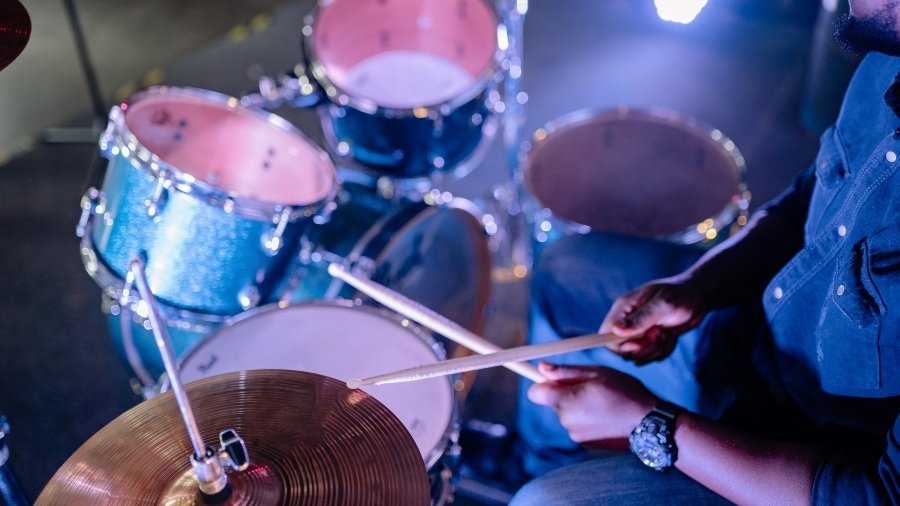
Many beginner drummers spend a lot of time learning complicated licks and flashy techniques, but struggle when it comes to playing actual music. The truth is that you don’t need dozens of complex drum fills to sound musical. What you need are a handful of reliable, practical fills that appear again and again in real songs. The five drum fills below are simple, musical, and extremely versatile. They can be used in rock, pop, funk, and many other styles. More importantly, they help you move between sections of a song smoothly without overplaying. The goal isn’t to impress other drummers—it’s to support the music.
Why Learning Useful Fills Matters
Drum fills serve an important purpose in music. They signal transitions, add energy, and help guide the band into the next section of a song. Many beginners fall into the trap of learning fills that sound impressive but are difficult to apply in real music. A better approach is to learn fills that you can immediately recognize in songs and use naturally while playing along. When you begin hearing fills inside real recordings and realizing “I know how to play that”, that’s when drumming starts to feel truly musical.
Fill 1: The Eighth-Note Build (“I Think I Can”)
The eighth-note build is one of the most common drum fills used to transition into a new section of music. The concept is simple: play steady eighth notes while gradually increasing intensity as you approach the end of the bar. Drummers often move between the snare drum and floor tom while building volume, creating a sense of momentum. A helpful way to remember the rhythm is the phrase “I think I can, I think I can.” This type of fill works especially well when leading into a chorus or other big moment because it creates tension that resolves on the next downbeat. You can also add the kick drum underneath the pattern—either on quarter notes or eighth notes—to make the build feel stronger and more powerful.
Fill 2: The Flam Kick (“Splat Boom”)
The second fill is built around a flam followed by a kick drum, creating a short but powerful rhythmic accent. A flam is played by striking a soft grace note just before the main hit, producing a thicker and more impactful sound. When this accented note is immediately followed by the kick drum, it creates a punchy combination that works especially well in rock and hip-hop grooves. The basic idea is simply flam → kick, repeated across the bar to build rhythmic energy. Variations of this concept appear in many recordings, including faster versions like the intro groove in “Smells Like Teen Spirit” by Nirvana. Despite its simplicity, the flam-kick fill adds strong accents that can significantly lift the intensity of a section.
Fill 3: The “Debbie” (Quick Two-Note Fill)
The third fill is very small but surprisingly effective. It consists of two quick sixteenth notes played just before the next measure, typically around the “& of 4” in the bar. Because it happens so quickly, it works best as a subtle interruption rather than a large transition, adding a touch of character to a groove without disrupting the overall flow of the music. This makes it useful for lightly decorating a rhythm while keeping the beat steady. However, like any musical accent, it should be used sparingly—if repeated too often it can become predictable, so it’s most effective when placed intentionally at the right moment.
Fill 4: The “Pat Boone Debbie Boone”
This fill expands on the quick two-note idea from the previous example by adding a short tom hit earlier in the phrase before the two fast snare notes. The pattern typically starts with a tom accent, followed by the two quick snare notes just before the next measure, resolving cleanly on the downbeat. This combination makes the fill feel slightly larger and more noticeable while still remaining simple and musical. Because it stretches across roughly two beats rather than acting as a brief interruption, it works especially well when transitioning between sections such as a verse and chorus.
Fill 5: The “I Got a Pee” Fill
The final fill is a variation of the previous idea but starts slightly earlier in the bar, creating a longer movement across the drums. The phrase begins around the “& of 3” and continues through beat four before resolving into the next measure. This fill is great for adding motion without becoming overly complex. Many drummers add an open hi-hat accent at the end, sometimes combined with a kick drum, to make the transition feel bigger. Even though it’s still relatively simple, this fill sounds more energetic and is often used when building toward an important section of the song.
The Key to Using Drum Fills Musically
Learning drum fills is only part of becoming a musical drummer—the real skill is knowing when to use them. A good fill should support the music rather than distract from it, which means using them thoughtfully and with control. Keep the groove solid before adding fills, resolve clearly back to beat one, and match the energy of the music instead of forcing unnecessary complexity. It also helps to avoid overusing fills, as too many can make a performance feel cluttered. A useful way to think about fills is like punctuation in a sentence: placed correctly they shape the flow and add expression, but used too often they quickly become distracting.
Take Your Rhythm Beyond the Drum Kit

Once you understand how simple drum fills work, exploring other percussion instruments can expand your rhythmic creativity even further. Many drummers use hand drums such as djembes, frame drums, and talking drums to develop timing, dynamics, and groove in a different way. Because these instruments focus heavily on rhythm and feel, they can help strengthen the same musical skills that make drum kit playing sound tight. If you want to experiment with new sounds and rhythms, explore our collection of drums from around the world, including djembes, shamanic frame drums, talking drums, and more.


