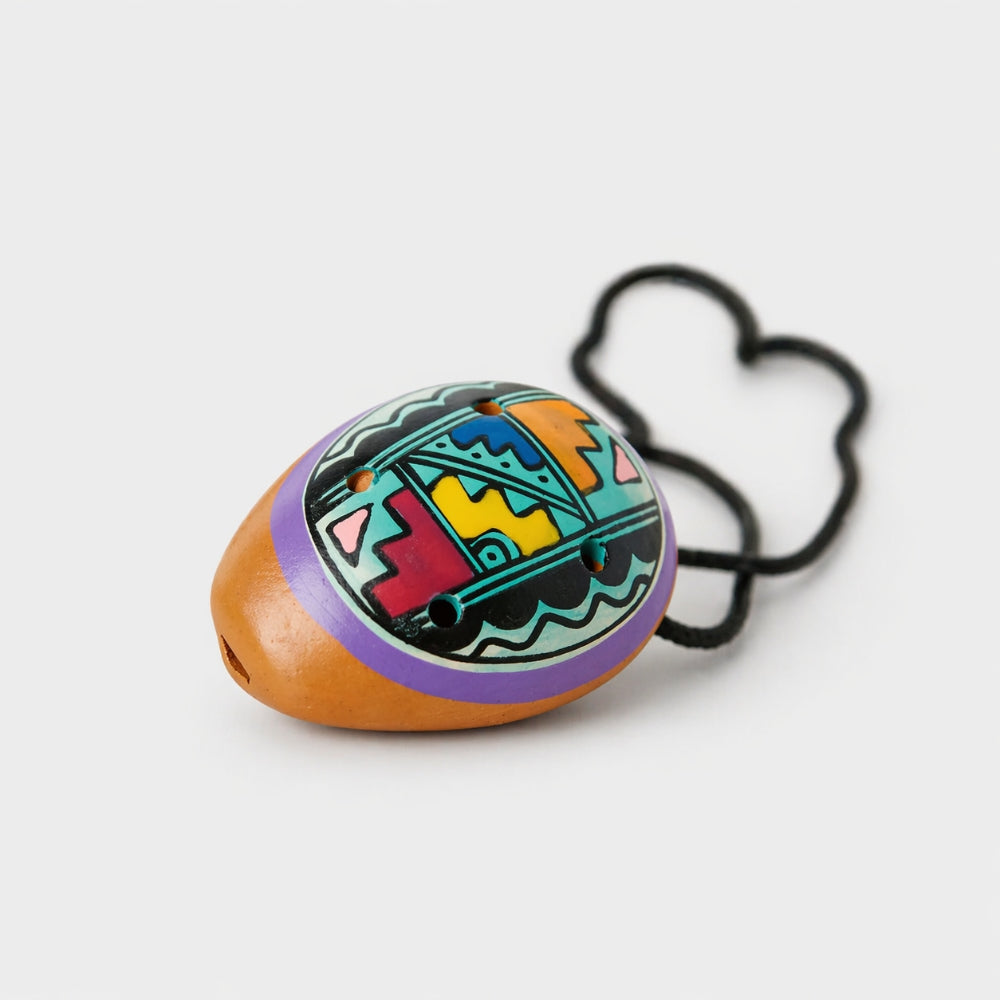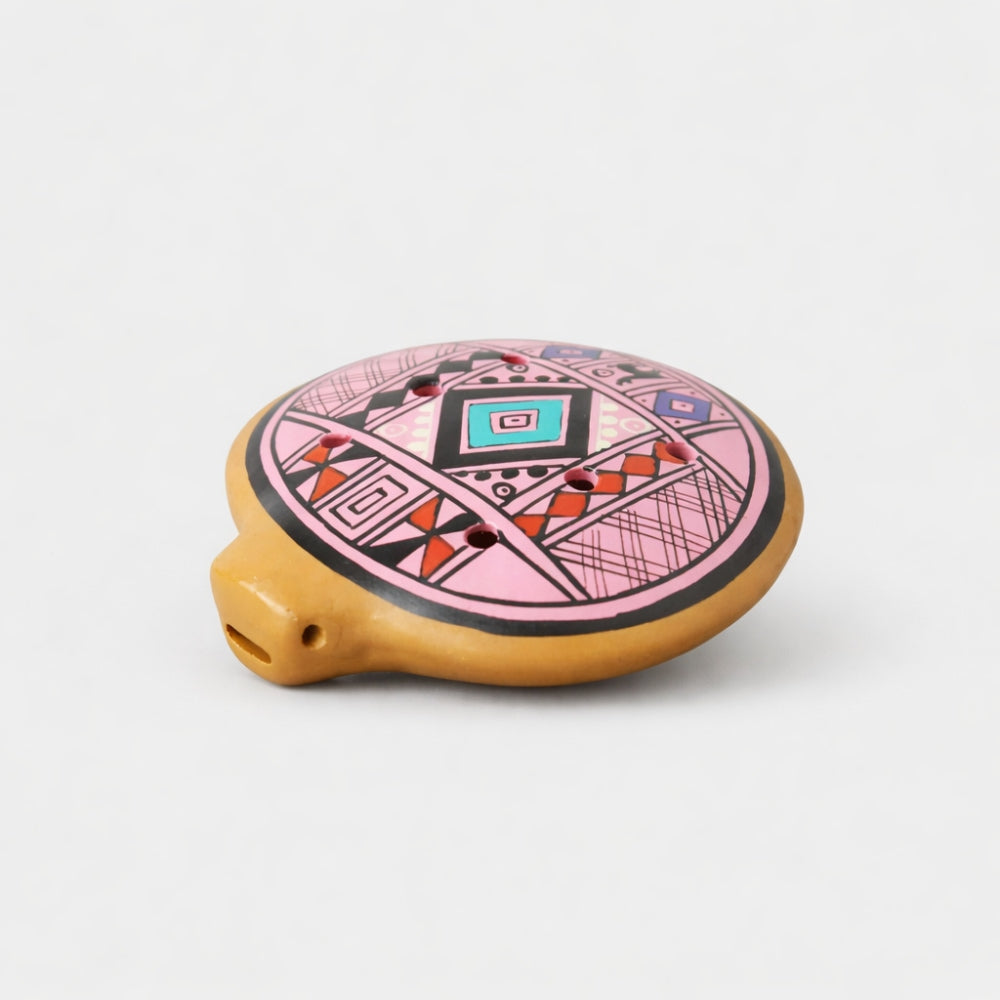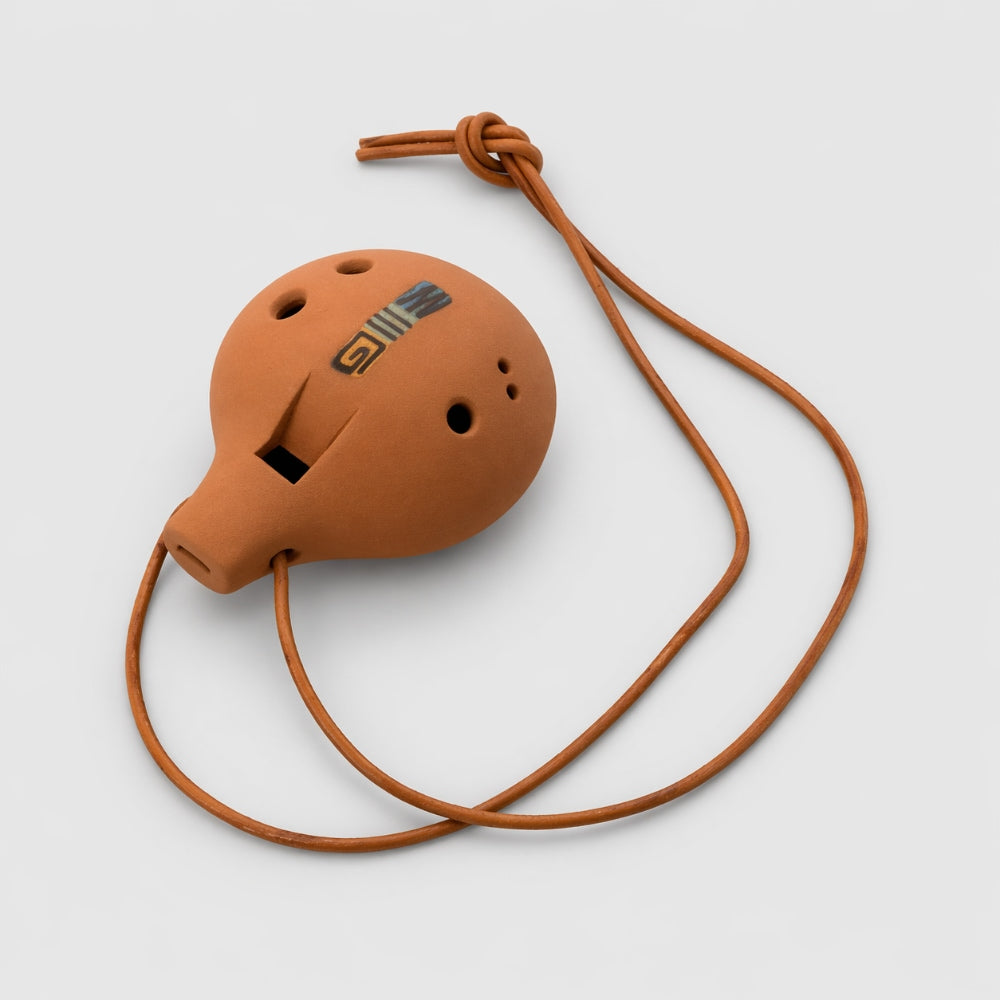
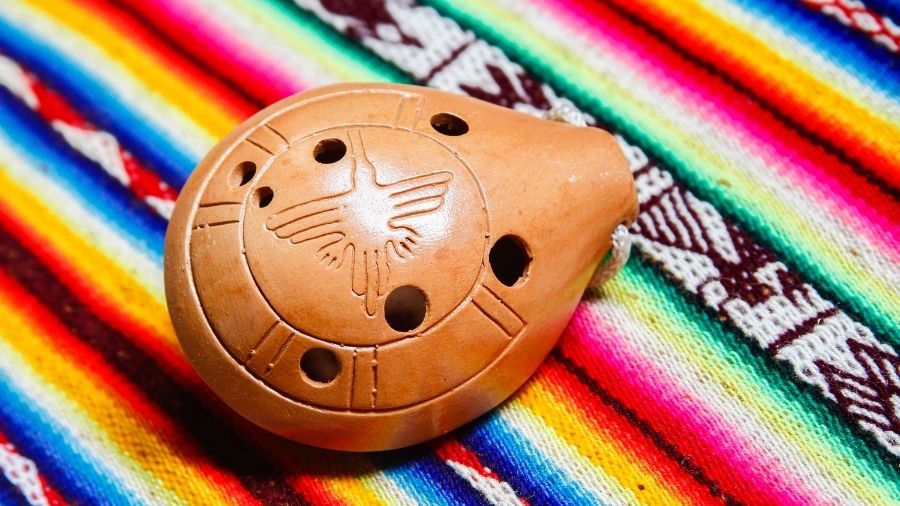
One of the most useful things to understand about ocarinas is how much variety they offer and why it matters. Ocarinas come in different sizes, shapes, and pitches, each creating a distinct sound and playing feel, and knowing these differences makes it far easier to choose an instrument that fits your hands, your ear, and the style of music you want to play. The key factor is size, as it directly determines pitch: smaller ocarinas produce higher, brighter notes, while larger ones produce lower, deeper tones. Most modern ocarinas fall into four main size categories—soprano, alto, tenor, and bass—each offering a different balance of range, tone, and playability.
How ocarina size affects pitch
Ocarinas follow a simple rule: the smaller the instrument, the higher the pitch; the larger the instrument, the lower the pitch. This is why ocarinas are grouped into size families rather than being treated as a single instrument type. Each size has its own character, strengths, and practical considerations.
Soprano ocarinas
Soprano ocarinas are the smallest and highest-pitched instruments in the ocarina family, producing a bright, clear, and highly focused sound that cuts easily through other instruments. Their compact size means the finger holes are close together, which can be comfortable for smaller hands but also makes them more sensitive to breath control, as small changes in air pressure can strongly affect pitch and tone. Commonly tuned in higher keys such as C, soprano ocarinas are best suited to light, agile melodies where clarity and precision matter more than warmth or depth.
Alto ocarinas
Alto ocarinas sit slightly lower in pitch than soprano ocarinas and are often considered a balanced middle ground in the ocarina family. They maintain clear articulation while adding more warmth and body to the sound, making them expressive without becoming overly bright or piercing. Many players find altos comfortable to hold and easier to control, especially if they want a tone that feels smoother and more rounded while still remaining agile and melodic.
Tenor ocarinas
Tenor ocarinas are the most commonly used and are often considered the standard size for modern ocarina playing. Sitting lower in pitch than alto ocarinas, they produce a fuller, rounder tone that works well across a wide range of musical styles. Tenors are suitable for both beginners and experienced players, offering comfortable finger spacing, manageable weight, and a versatile sound that suits solo playing, ensemble work, and recording. For many players, especially those buying their first ocarina, a tenor model is the most flexible and reliable choice.
Bass ocarinas
Bass ocarinas are the largest and lowest-pitched instruments in the ocarina family, producing a deep, rich, and resonant sound that adds real weight to the music. That depth comes with practical challenges, as bass ocarinas are heavy, have much wider finger spacing, and can be physically demanding to play for long periods. Because of this, they are generally not recommended for beginners, and many players rely on neck straps or support systems to reduce strain and prevent accidental drops. For experienced players, however, bass ocarinas offer a powerful low register that smaller ocarinas simply can’t replicate.
Choosing the right ocarina for you

When choosing an ocarina, it’s best to look beyond appearance and focus on pitch, comfort, and control. Higher-pitched ocarinas reward precise breath control, while lower-pitched instruments require stronger hands and better physical support, and there is no single “best” size—only the one that suits your playing style, experience level, and musical goals. Exploring different ocarina sizes is one of the most effective ways to understand the instrument as a whole, as each type reveals a different character, ranging from bright and agile to deep and resonant.
Explore our Ocarinas.