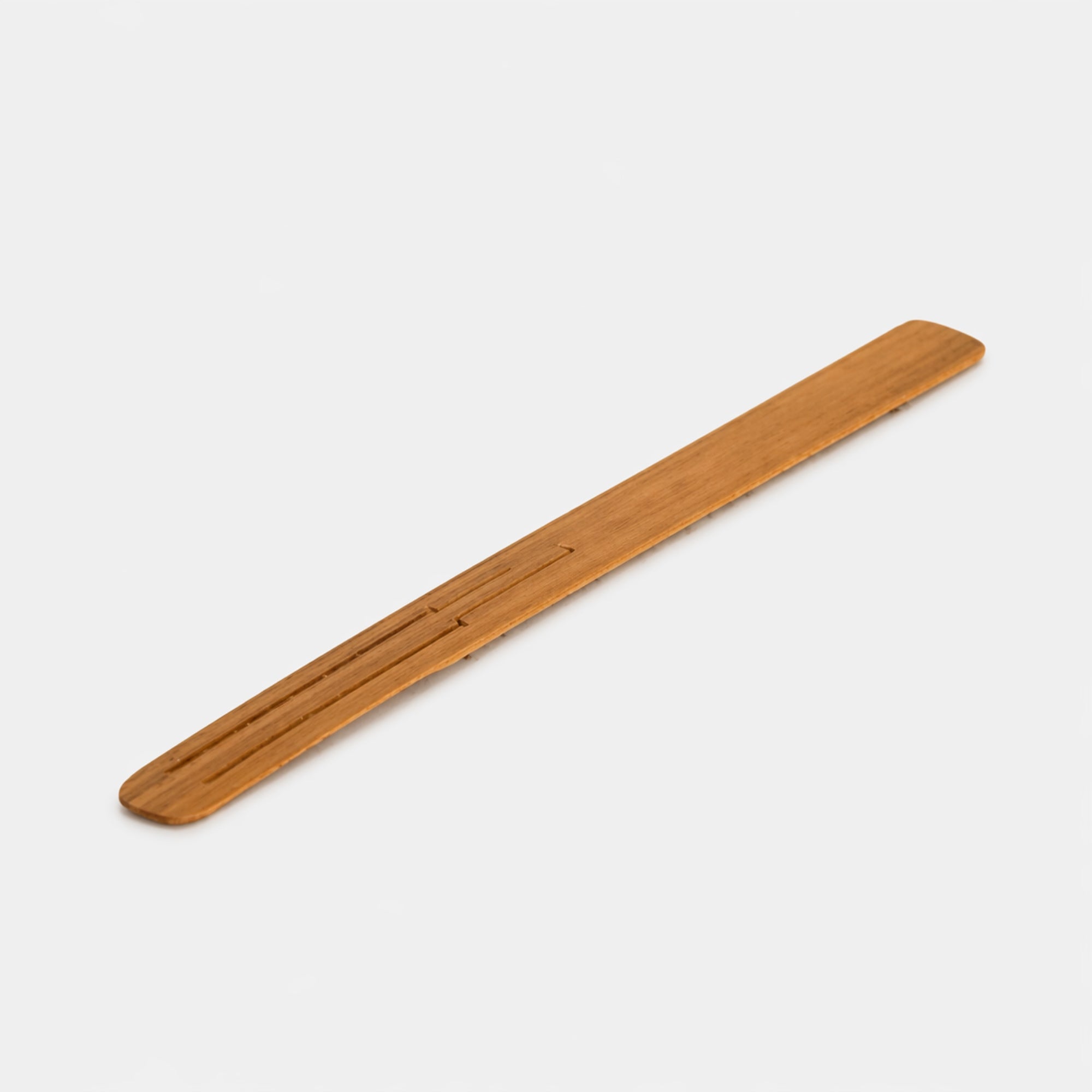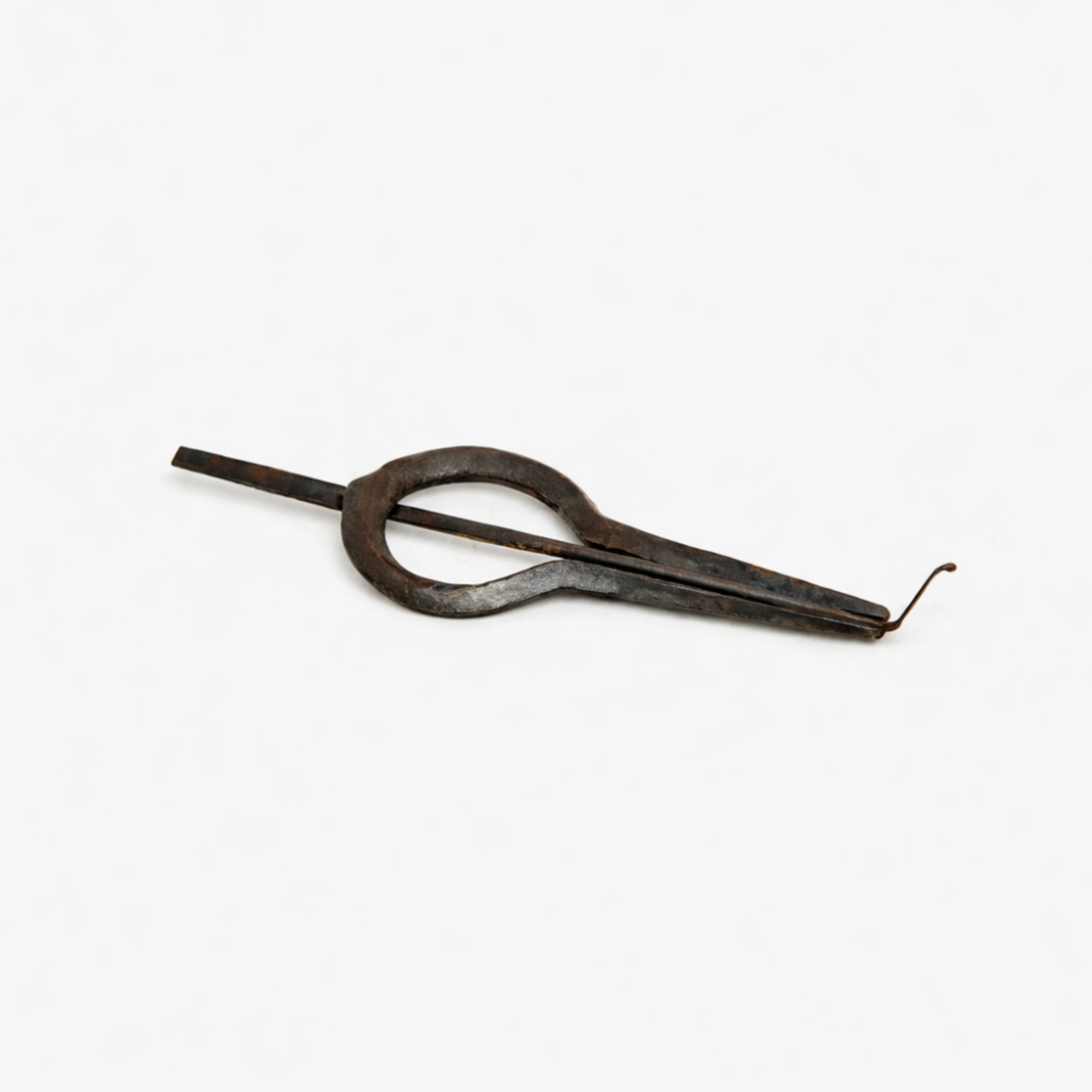

Choosing the right jaw harp comes down to how you want to play, the sound you prefer and how much experience you have. Some jaw harps are easier for beginners, while others offer greater durability, stronger projection or a wider range of tones. In this guide, we'll compare the different types of jaw harp, including bamboo, cast iron, brass and traditional designs such as the Dan Moi, Kou Xiang, Hechi and Ncas, to help you find the right one for you.
Karinding Bamboo Jaw Harp

The Karinding Bamboo Jaw Harp is one of the easiest and most affordable jaw harps we've played, making it our top choice for beginners. Its lightweight bamboo design is played against the lips rather than the teeth, while changes in mouth shape, tongue position and breathing can transform its buzzing tone. Choose this if you want an easy-to-play first jaw harp with plenty of scope for sound experimentation.
Cast Iron Jaw Harp

The Cast Iron Jaw Harp is our most popular option, with a solid, durable metal frame and a resonant traditional sound. It produces sound quickly, but positioning it correctly against the front teeth requires more precision than a bamboo harp, so there is a slightly steeper learning curve. Choose this if you want a durable, traditional jaw harp with a strong resonant tone.
Brass Jaw Harp

The Brass Jaw Harp has a solid, durable frame with a bright metallic sound that is slightly warmer and more controlled than cast iron. Brass also resists corrosion better and offers a smoother playing feel, although correct positioning against the teeth still requires practice. Choose this if you want a durable traditional jaw harp with a warmer, more refined tone and lower maintenance.
Dan Moi Jaw Harp

The Dan Moi is a compact Vietnamese brass jaw harp with impressive projection, reaching a measured peak of 71dB despite weighing only around 10g. Unlike traditional metal jaw harps, it is played against the lips rather than the teeth, producing a warm resonant tone while offering a different playing feel. Its protective case also makes it particularly convenient for carrying and storage. Choose this if you want a small portable jaw harp with strong projection and a unique sound.
Kou Xiang Jaw Harp

The Kou Xiang Jaw Harp is the most versatile option in our range, combining multiple brass harps with different tones in one instrument. The individual harps produce contrasting pitches and tonal textures, giving you more sounds to explore than a conventional single-reed jaw harp. Choose this if you want maximum tonal variety and greater scope for experimentation.
Ncas Double Jaw Harp

The Ncas Double Jaw Harp is a traditional Thai bamboo instrument with two reeds, one lower and one higher in pitch, which can be played separately or together to create contrasting and layered sounds. This makes it particularly useful for recording and music production, giving you two distinct tonal options in one lightweight instrument. Choose this if you want greater tonal variety or a jaw harp suited to creative recording and sound experimentation.
Hechi Jaw Harp

The Hechi Jaw Harp is a traditional metal design played against the teeth, requiring careful positioning so the reed can vibrate freely. Its frame makes it an interesting alternative to cast iron and brass designs, particularly for players looking to explore different styles of jaw harp. Choose this if you already have some experience and want to experiment with another traditional metal design.
Learn to Play Your Jaw Harp

Whichever jaw harp you choose, the instrument itself is only the beginning. Your mouth acts as a resonating chamber, and changing your mouth, tongue, throat and breathing allows you to emphasise different tones and overtones.
The Complete Jaw Harp Player takes you step by step from holding and positioning the instrument through producing your first sound, shaping tones with A, E, I, O and U, breath control, rhythms, troubleshooting, practice, care, recording and performance.