
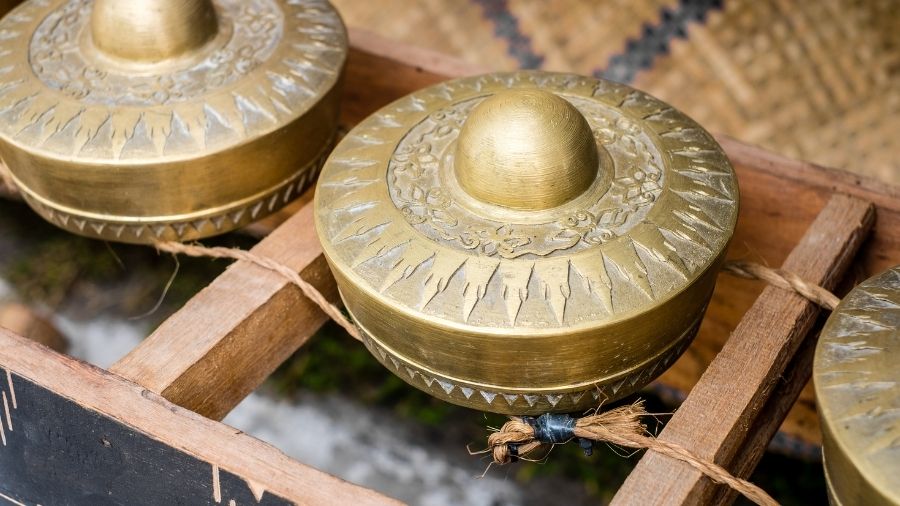
The Philippines is known for its musical traditions. One of the most amazing instruments that originated from the Philippines is the Kulintang. This traditional musical instrument holds immense cultural significance and is recognized as a Filipino emblem. This article will explore the realm of Kulintang, exploring into its history, structure, cultural importance, performances, and capacity to dismantle barriers and promote cultural connections.
What is a Kulintang?
Kulintang is a traditional Philippine musical instrument belonging to the wider gong-chime culture of Southeast Asia. It consists of a row of small gongs played with wooden beaters and is performed by various groups across the Philippines, reflecting the region's cultural diversity.
The History of Kulintang
Kulintang has been played for centuries across the Philippines and neighbouring parts of Southeast Asia, including Indonesia, Malaysia, Brunei, and East Timor. It holds particular significance in indigenous Philippine music and culture, representing Filipino identity and the importance of preserving the region's musical traditions.
The Sound of the Kulintang
Kulintang performances feature resonant tones from a row of gongs, typically eight, arranged in a pentatonic scale and struck with wooden beaters. As an idiophone percussion instrument, the gongs are placed on a rack that amplifies their sound. Groups like the Talaandig, Pangalay, and Maguindanaon present unique styles, combining music and dance. Performers demonstrate technical skill with intricate instruments and traditional attire, ensuring this Philippine tradition continues to thrive.
Exploring Mindanao Culture through Kulintang
Kulintang is closely tied to the traditions of Mindanao, where indigenous communities have played it for centuries during celebrations, rituals, and social gatherings. The instrument is an important part of local culture and reflects the connection between music and identity.
The gongs and wooden beaters create patterns that have been passed down through generations. Performances can also include traditional dances and colourful clothing, giving audiences a chance to experience the musical traditions of Mindanao.
Kulintang Performances and Benefits
Rooted in Mindanao's traditions, Kulintang performances combine intricate gong patterns with dance, storytelling, and traditional costumes. These shared experiences celebrate Filipino heritage and deepen appreciation for Mindanao's cultural traditions.
The Future of Kulintang
Technology and social media have helped Kulintang reach audiences worldwide, allowing performers to share their music and connect with other artists. Schools, cultural institutions, and music academies are also helping preserve traditional playing techniques and ensure Kulintang continues to be passed on to future generations.
Kulintang Facts
- Kulintang is often played with traditional Philippine instruments such as the Agung (large gong) and dabakan (drum).
- The music produced by the kulintang is often accompanied by traditional dances that further enhance the cultural experience.
- Kulintang has gained international recognition and has been featured in various performances and festivals worldwide.
- Kulintang music differs from gamelan music in melodic construction and flexibility.
Where to Buy Traditional Musical Instruments?

If learning about the Kulintang has inspired you to explore traditional instruments from around the world, you can discover a wide range of percussion instruments and other unique musical instruments at Carved Culture. While we don't currently sell Kulintang instruments, our collection includes instruments from different cultures, giving you the opportunity to discover new sounds, traditions, and ways to make music.


