What Is an Ocarina?
If you’ve ever played The Legend of Zelda: Ocarina of Time, you might have assumed the ocarina was invented for the game. A lot of people did. The truth is the opposite: the ocarina is a real instrument with a surprisingly long history, and once you understand how it works, it’s easy to see why it became so iconic.
A real instrument with ancient roots
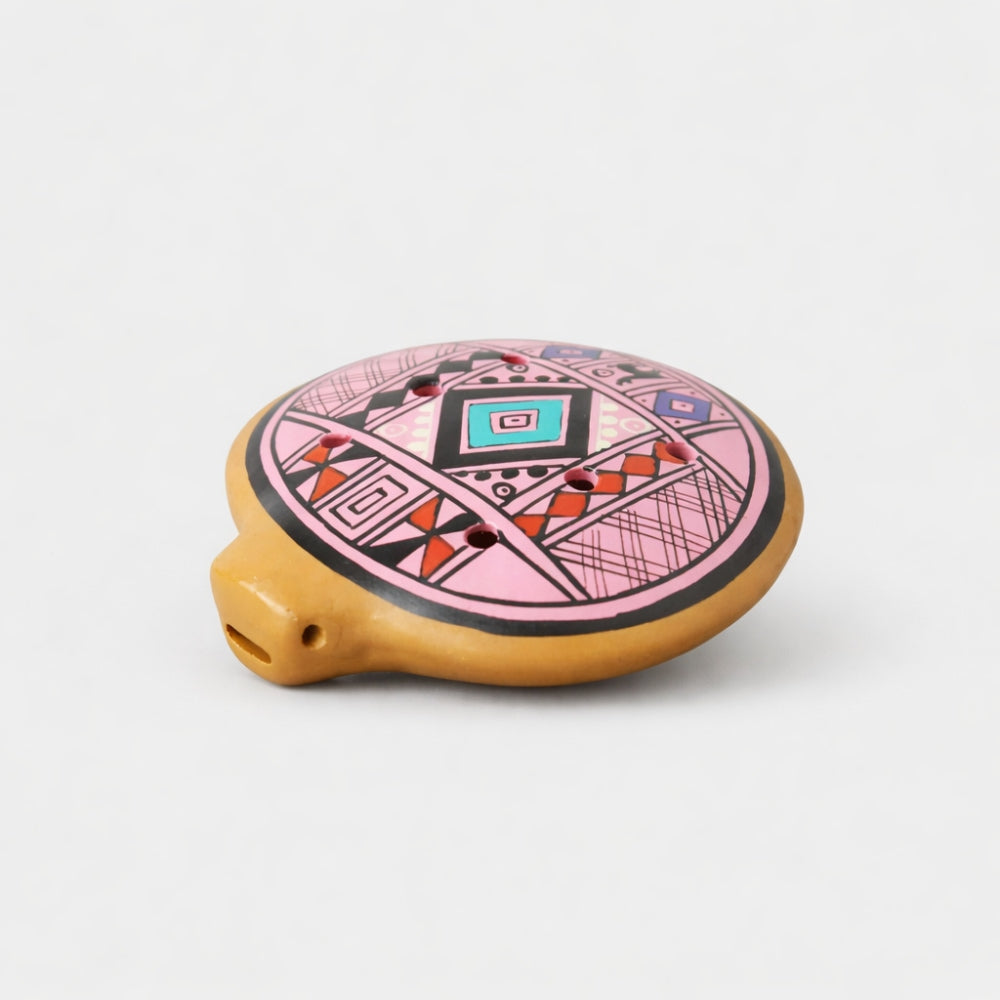
The earliest instruments that are clearly related to the modern ocarina go back well over 10,000 years. Variations on the same basic concept appeared in multiple civilisations over time, with particularly strong traditions in Central and South America. So while Zelda made the ocarina famous for a modern audience, it didn’t create it—it simply introduced a very old idea to millions of people.
The ocarina is a “vessel flute”
The technical name for an ocarina is a vessel flute. Most modern ocarinas use a fipple mouthpiece, similar to a recorder or tin whistle, where air is channelled through a windway and split against an edge to create vibration. The key difference is what happens after the sound is created: a recorder uses an open-ended pipe, but an ocarina uses an enclosed chamber. That enclosed space is what resonates and produces the instrument’s distinctive, rounded tone.
How an ocarina makes different notes
On most woodwind instruments (like a recorder), finger holes change the effective length of the pipe, and hole placement is extremely precise to produce correct pitch. On an ocarina, it works differently: the pitch is determined by the total size of the open holes, not by “pipe length.” That means the holes can be placed in different locations and still function correctly, as long as the total open area is right for each note. It’s a simple concept, but it explains why ocarinas can come in so many shapes and still behave like ocarinas.
The limitations you should know about
Vessel flutes like the ocarina have a few natural limitations that are useful to understand as a player. Unlike many wind instruments, you can’t overblow an ocarina to reach higher overtones, which means its range is usually limited to around one and a half octaves; to extend that range, makers often build double or triple ocarinas with extra chambers, effectively combining multiple instruments into one. Ocarinas also don’t produce an even volume across their range, as opening more holes naturally makes the instrument louder, so higher notes tend to sound stronger than lower ones. While careful breath control can balance this slightly, breath pressure also affects pitch, which limits how much dynamic control is possible compared to other woodwinds—an effect that becomes especially noticeable in recordings, where players often even out levels during mixing, particularly when layering multiple ocarina parts.
The two main types of modern ocarina
While there are many variations, most modern ocarinas fall into two main families: transverse (Italian) and pendant (English).
Transverse ocarinas
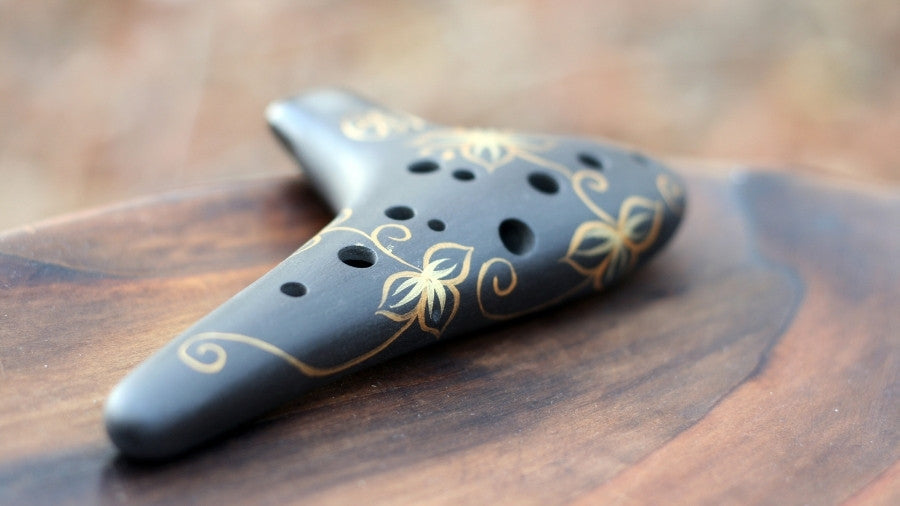
The transverse, also called the Italian ocarina, was first created in 1853 by Giuseppe Donati, a brick maker from Budrio in northern Italy. This style uses a fingering approach that feels familiar to many woodwind players: you typically move through the scale by lifting holes in sequence. Donati made his early instruments from clay and fired them in the same kilns he used for bricks. Ceramics remain the most traditional material today, but you’ll also find transverse ocarinas made from metal, wood, and plastic.
Pendant ocarinas
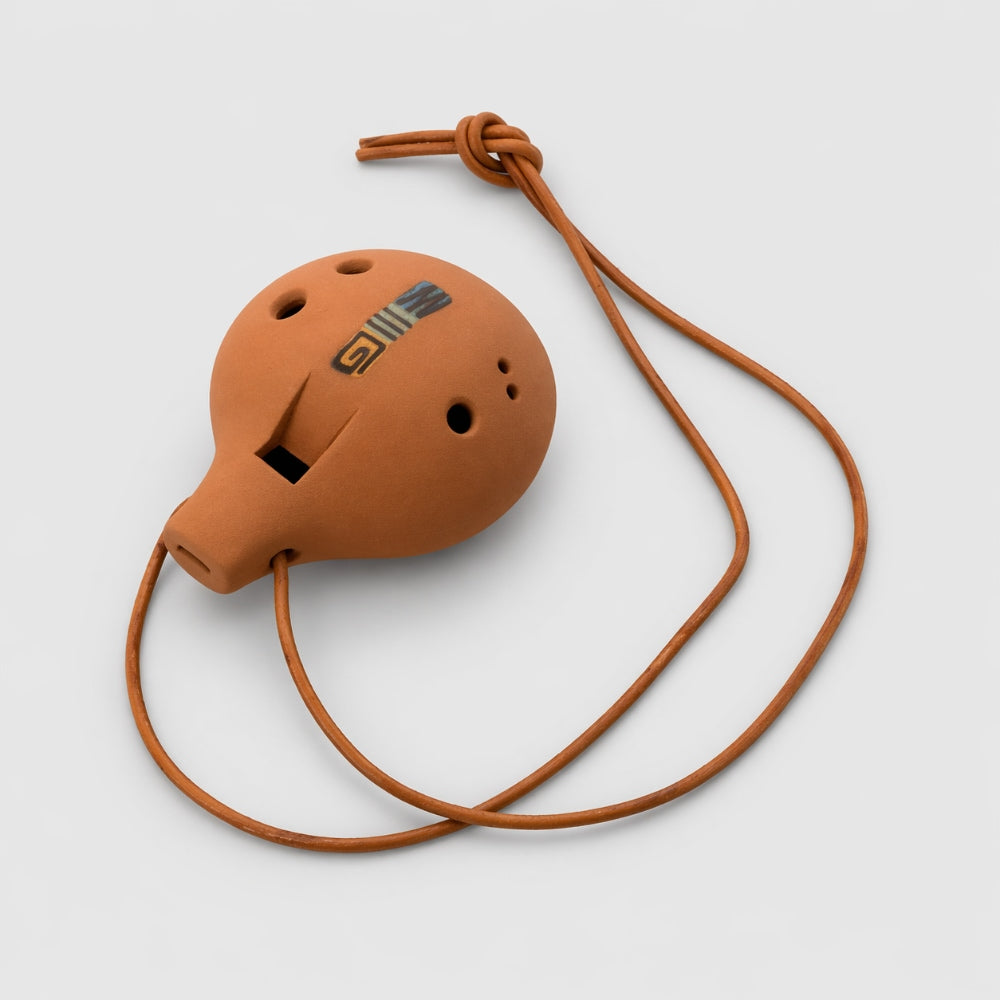
The pendant ocarina, sometimes called the English ocarina, was developed in the 1960s by the English mathematician John Taylor. This design uses a different logic: it can produce a full octave with just four holes by using holes of different sizes and specific combinations. Later versions often added one or two thumb holes to extend the top of the range by an extra note or two. The name “pendant” comes from how these instruments are traditionally worn on a string around the neck—some smaller ones are effectively playable jewellery.
Other ocarina designs you’ll see
Beyond those two categories, there are less standardised variations. Some “linear” ocarinas use transverse-style fingering but in a rotated orientation. There are also tiny soprano pendants with hole layouts that resemble transverse instruments. Some makers even use the term “gosling” for very small ocarinas—a nod to the word ocarina, which comes from Italian for “small goose.”
Hearing the differences in real music
The quickest way to understand how different ocarinas behave is to hear them in context. A useful approach is arranging a single folk melody across several ocarinas so you can compare tone, range, and character. One traditional choice is “Geordie,” a ballad sung across Great Britain and parts of North America. It tells the story of a young man on trial, with his lover pleading for his life—an ending that varies depending on the version of the song.
Where to buy an Ocarina?

An ocarina isn’t a novelty instrument, and it definitely isn’t fictional. It’s a type of vessel flute with ancient roots, a simple but fascinating acoustic design, and two dominant modern styles that feel very different in the hands. Once you understand how the enclosed chamber and finger holes interact, the ocarina makes perfect sense—and you can choose the type that fits how you want to play.
View our Ocarinas.