The handpan is a melodic steel instrument known for its calming sound, unique design, and expressive playing style. Learning how to play the handpan is accessible for beginners yet deeply rewarding over time. In this handpan tutorial, you’ll learn the basics of handpan technique, how the instrument works, how to play comfortably, and how different scales shape the sound giving you a clear practical foundation to start playing with confidence.
What Is a Handpan?
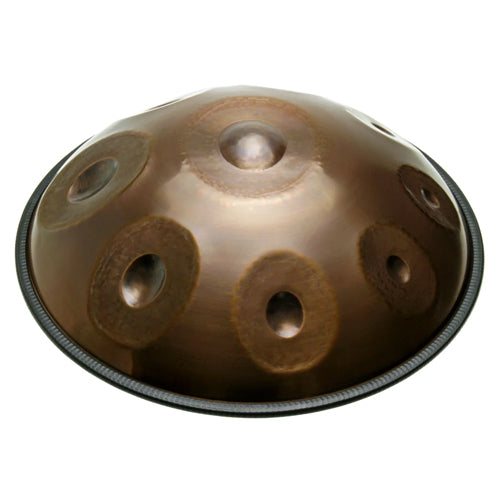
The handpan is a modern steel musical instrument played with the hands and fingertips, producing warm, calming tones through tuned note areas on its surface. Developed in the early 2000s, it features a domed metal body with a central note and surrounding tone fields that create rich overtones and natural harmonics. Commonly used in ambient, meditative, and melodic music, handpans are typically made from nitrided or stainless steel for durability and tone, with most instruments originating from Europe—particularly Switzerland, Germany, and France—alongside growing production in the USA and Asia.
Different Types of Handpan
Handpans are mainly defined by scale and range. Diatonic and pentatonic handpans are ideal for beginners, offering intuitive, melodic scales like D Minor Kurd or Celtic Minor. Advanced players may prefer chromatic or double-sided handpans for extended range and expression. Bass handpans deliver deeper grounding tones, while hybrid or electro handpans add MIDI options for studio and live use. Each type suits a different playing style, from meditation to performance. The three main handpan materials are stainless steel, ember steel, and black nitrided steel.
How to Hold the Handpan
You can play the handpan in your lap while seated, but using a stand can help improve posture and comfort, especially for longer sessions. Whichever method you choose, ensure you're sitting upright with a little distance between your body and the instrument.
Striking the Handpan
The handpan is played using relaxed fingertips and finger pads with a light, controlled upward flick—never a hard drumming motion. Sound comes from precision, not force. The central “ding” produces the lowest note, while the surrounding tone fields create melody. Keep your hands loose, wrists raised, and strikes gentle to activate clean tones. Treat the surface carefully and let finesse, not power, draw the sound out.
Handpan Playing Techniques
Handpan playing relies on relaxed technique and gradual control. Start by warming up your wrists and fingers, then ease into simple patterns using light finger strikes on the central ding and nearby notes. Stay loose—tension dulls tone and causes fatigue. Core techniques include finger strikes for clear notes, palm strikes for deeper accents, and muting to shape rhythm. As you progress, explore basic scales, arpeggios, and simple rhythms before adding syncopation or layered patterns. Good posture, gentle touch, and consistency matter far more than speed or force, allowing the handpan’s natural overtones to do the work.
Where to Buy A Handpan?
Discover the Dreamland Handpan, expertly crafted by skilled artisans in Vietnam. Made from stainless steel, it offers superior sound quality and longer sustain. Each handpan is finely crafted with precisely tuned notes for a clear pitch. With a protective rubber ring and a padded backpack for easy transport, it’s perfect for jam sessions, meditation, or professional gigs.
Explore the Dreamland Hanpan here.
Handpan (Frequently Asked Questions)
How to Store A Handpan?
Store in a hard case in a dry, stable room. Avoid humidity, heat, direct sunlight, and garages. Do not stack weight on top or store upside down on hard surfaces. Wipe after playing and lightly oil raw steel models to prevent rust.
What is Handpan Rust?
Handpan rust is steel corrosion caused by moisture and air exposure. Common types include surface rust (light orange film), flash rust (fast moisture marks), pitting (small deep holes), galvanic corrosion (metal reaction from contact), and stainless staining (tea-coloured spots). Early signs include an orange tint, dark dots, and a rough texture. Prevention is simple: keep the handpan dry and apply a light oil if required.
How to care for a handpan?
Wipe your handpan with a soft cloth after playing to remove moisture and oils. Store it in a padded case, keep it dry, and avoid heat, humidity, and direct sunlight. Proper storage protects tuning and steel longevity.
How to Remove Dents From Your Handpan?
Do not attempt DIY repairs. Handpans are precisely tuned, and pushing out dents can permanently damage pitch and tone. If the dent is inside a tone field or the center dome, contact the original maker for professional re-tuning. Small cosmetic dents outside note areas may not affect sound.
How to play different handpan scales?
Each handpan scale creates a specific mood. Pentatonic scales are easiest and meditative, major scales sound bright, and minor or modal scales feel deeper and more emotional. Play slowly, explore note groupings, and let the scale guide the music.
How to improve your handpan playing skills?
Practice regularly with simple patterns, record yourself, and improvise often. Learn basic scale awareness, explore different rhythms, and stay relaxed. Consistency matters more than speed or complexity.
What are the benefits of playing the Handpan?
Playing the handpan reduces stress, improves focus, and encourages mindfulness. It builds coordination, supports emotional expression, and offers a calming creative outlet. Many players also find connection through the global handpan community.