
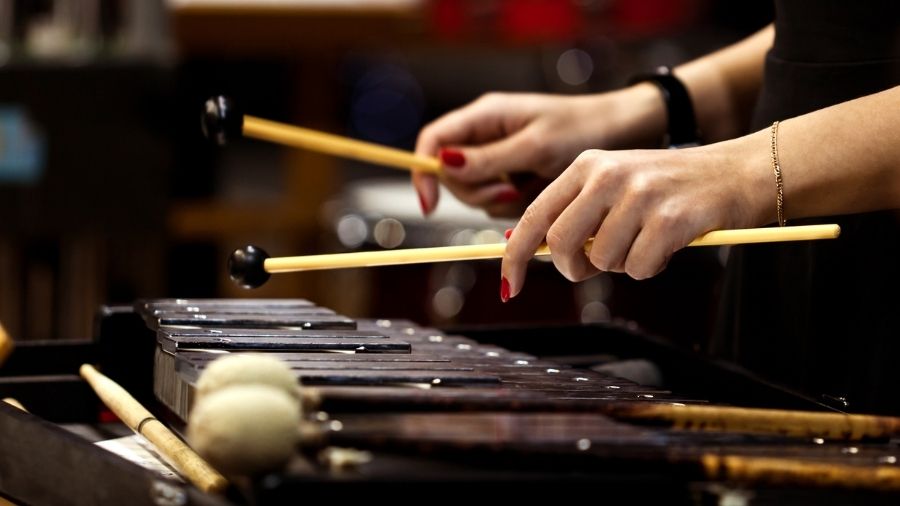
The glockenspiel—German for "bell play"—is a joyous instrument that provides a clear, bell-like tone, making it perfect for developing melody and rhythm skills. Its keyboard-style layout is intuitive, but turning simple striking into meaningful music requires consistent, focused practice. Starting with short, achievable exercises builds the habit that turns a new instrument into a lifelong passion. We believe that by integrating fundamental techniques with memory drills, you create a solid foundation for musical expression. Here are 10 essential exercises to start mastering your glockenspiel today.
The Home Note Finder
Before anything else, you must establish the "home base" of your instrument. Most basic glockenspiels, like the Basic Glockenspiel, start with C, D, E, F, G, A, B notes. Locate the middle C bar, which is usually distinct or marked. Begin every practice session by hitting this note five times, focusing on producing a clean, centered tone. The goal is to build an instant, tactile relationship with the fundamental note of the instrument, ensuring your hands know exactly where they are starting.
The Basic Scale Repeat
Scales are the DNA of music and the best exercise for building muscle memory and developing position. Practice the C Major scale (C-D-E-F-G-A-B-C) both ascending and descending on repeat. Your goal here is rhythm and consistency, playing C-D-E-F-G-A-B-C on an effortless loop. This drill teaches your thumbs and wrist to automatically find the next bar, strengthening the core position and preparing you to play songs without constantly looking down at the notes.
Say It, Play It
To truly associate the note name with the unique tone produced by the metal bar, incorporate vocalization into your practice. While you strike a bar, say the letter note out loud—"C," "D," "E"—and continue up and down the scale. This exercise builds a powerful bridge between your auditory memory, visual reading (or note identification), and physical execution. This note-tone association is critical for quickly transitioning from simply hitting bars to understanding music.
Simple Song Mastery
To maintain motivation, the habit of playing is more important than the complexity of the piece. Start with easy, recognizable songs like "Twinkle Twinkle Little Star" or "Mary Had a Little Lamb," which use a minimal note range. Play the song tabs slowly, without the pressure of perfect rhythm, focusing only on hitting the correct note sequence. Finishing an entire song, even a simple one, turns practice into a successful, rewarding experience that ensures you come back for more.
Centre Strike for Clarity
The quality of your sound depends heavily on where the mallet strikes the bar. Hitting the center of the metal bar produces the purest, clearest tone, allowing the metal to resonate fully. Striking closer to the edges often creates a quieter or less resonant sound. Dedicate a minute to practicing this precision: aim for the dead center of the bar every time, listening intently to the difference in quality. This focus refines your technique from simple hitting to intentional playing.
The Alternating Hand Drill
The glockenspiel is typically played with two mallets. To achieve speed and fluency, you must develop independent control and coordination in both hands. Practice playing a simple sequence, such as C-D-E-F, using strict alternating sticking: Right-Left-Right-Left. Once comfortable, try playing the sequence R-R-L-L, then L-L-R-R. This drill is foundational for complex rhythm and is essential for achieving a sustained sound when performing a Roll (rapidly alternating strikes).
Sight-Reading the Treble Clef
The standard notation for glockenspiel is written in the Treble Clef. Understanding this notation is essential for tackling more complex pieces and learning music theory. Practice simple note identification by pointing to the note on the page and then locating the corresponding bar on your instrument. Even if you start with simplified letter notes, understanding the staff position prepares you to read traditional sheet music later, broadening your access to musical repertoire.
The Metronome Master
A strong sense of rhythm is just as important as hitting the correct notes. Use a metronome or metronome app to practice keeping a steady beat. Set the metronome to a very slow tempo, such as 60 beats per minute (BPM), and play a quarter note (one note per click). Once you master that, try playing eighth notes (two notes per click). Playing against the metronome establishes an internal clock, preventing the common beginner mistake of rushing or slowing down.
Clap and Count
Before you even touch your mallets, master the rhythm of a song using your hands and voice. Choose a phrase from a song—for instance, "Twinkle Twinkle Little Star"—and clap the rhythm while counting the beats out loud. This practice solidifies the rhythmic foundation before the complexity of note-finding is added. This simple exercise builds a powerful rhythmic intelligence that you can apply to any instrument.
Open and Broken Chords
The glockenspiel can be used to create harmonic depth. A chord is more than one note played together. Practice playing a C Major chord (C, E, G) using two distinct methods: Open Chords (striking two notes simultaneously for a rich, full sound) and Broken Chords (striking the notes one after another quickly, creating a cascading, rhythmic flow). This exercise teaches you to use multiple mallets to provide harmony, adding depth to your simple melodies.
The Only Glockenspiel Guide You'll Ever Need

You’ve built the essential physical and rhythmic skills to begin playing. The critical next step is applying these techniques to a structured learning resource that guides you from single notes to full songs.
The Complete Glockenspiel Player eBook is the premium resource you need to accelerate your progress. It provides a comprehensive foundation, detailed guides, and a wide range of popular songs like "When The Saints Go Marching In" and "Frère Jacques" to immediately apply your new skills.


