
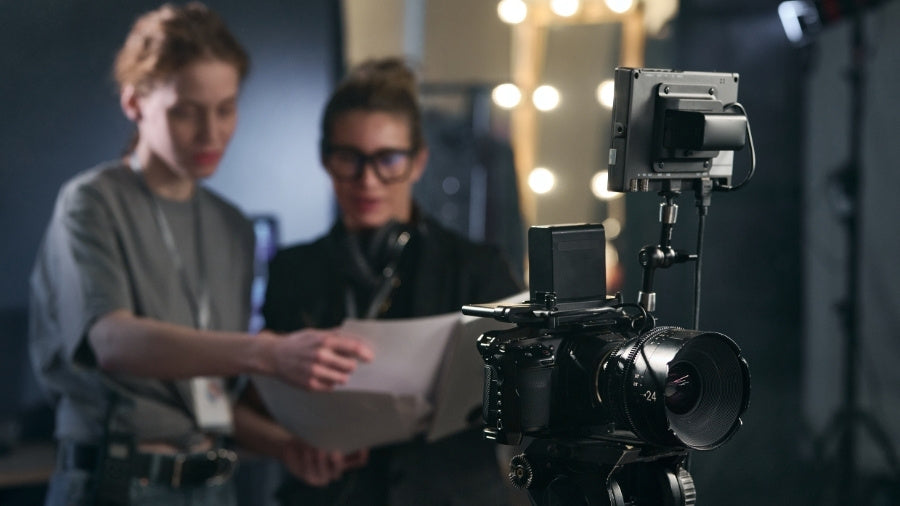
Shooting a music video is one of the best ways to showcase your music and brand visually. A great video can turn a song into a story, attract new fans, and boost your professional image. Whether you’re an independent artist or working with a team, proper planning, budgeting, and creative execution are key. This guide breaks down everything you need to plan, film, and edit your next music video with confidence.
Create a Music Video Checklist
Start with a clear checklist that covers every step—from concept to upload. Include script ideas, locations, props, crew, camera gear, and outfits. Planning each phase reduces stress and prevents last-minute mistakes. Keep your checklist in a shared document or database so everyone on the team can track progress in real time.
Set a Budget and Use a Budget Template
Before filming, determine your budget and allocate funds for equipment, crew, wardrobe, and post-production. A budget template helps you track expenses and avoid overspending. Even small projects benefit from knowing exactly where the money goes—every cost from location rental to catering adds up fast.
Dress to Impress: Outfits and Styling
Your outfits play a huge role in how your video is perceived. Always dress to impress, but make sure your style fits the song’s mood and your brand. Prepare multiple looks to add visual variety, and bring backups in case of weather changes or wardrobe issues. Coordination between the artist and extras helps the video look cohesive and professional.
Choose the Right Cameras and Gear
Invest in or rent quality cameras that can shoot in at least 4K resolution. Understanding frame rate and aspect ratio is essential—24fps gives a cinematic look, while 30fps or 60fps works better for performance and slow-motion shots. Stabilizers, lighting kits, and external mics can drastically improve your footage without breaking the budget.
Plan Your Shots and Composition
Visual storytelling depends on framing. Decide whether your shots will be tight and emotional or wide and cinematic. Use a comparison chart to plan different aspect ratios for platforms like YouTube, Instagram, and TikTok. Experiment with backgrounds, props, and movement to enhance the emotional tone of the song.
Understand Contracts and Permissions
Before filming, secure a contract with everyone involved—actors, crew, and editors. It should outline pay, credit, and ownership rights. If filming in public, check for permits to avoid fines. A simple written agreement ensures legal protection and keeps everyone accountable.
Find Inspiration and Develop a Style
Draw inspiration from movies, art, and other music videos. Study lighting, pacing, and transitions that match your song’s energy. Keep a reference folder or mood board with visual ideas, color palettes, and fonts for titles or captions. Inspiration is key, but don’t imitate—develop your own signature look.
Edit with the Right Tools and Software
Once filming is complete, move into editing. Choose editing software based on your skill level and budget. Premiere Pro is a professional standard with advanced effects, fonts, and layering tools. For smaller projects, consider an editor free version or an editor for PC that still offers essential tools like color correction, trimming, and transitions. If editing isn’t your strength, look into editor jobs or hire a freelancer experienced in music video post-production.
Add Backgrounds, Fonts, and Effects
During the editing process, experiment with backgrounds, fonts, and effects to add visual depth. Avoid overdoing filters or transitions—simplicity often looks more polished. Match on-screen text fonts to your artist branding or album design. Keep colors consistent to reinforce your visual identity across all videos.
Final Review and Export
Before uploading, review your video multiple times on different screens. Check the color balance, sound sync, and subtitles. Make sure your aspect ratio fits each platform’s guidelines. Save all project files in a structured database for future edits or remixes. Once everything looks perfect, export in high resolution and share across your social platforms. Planning and shooting a music video takes organization, creativity, and teamwork. From budget templates and contracts to camera setup and editing software, every detail counts. Treat your music video like a professional production—plan with precision, dress with intent, and edit with purpose. When executed well, a great video can do more than promote your song—it can define your brand.


