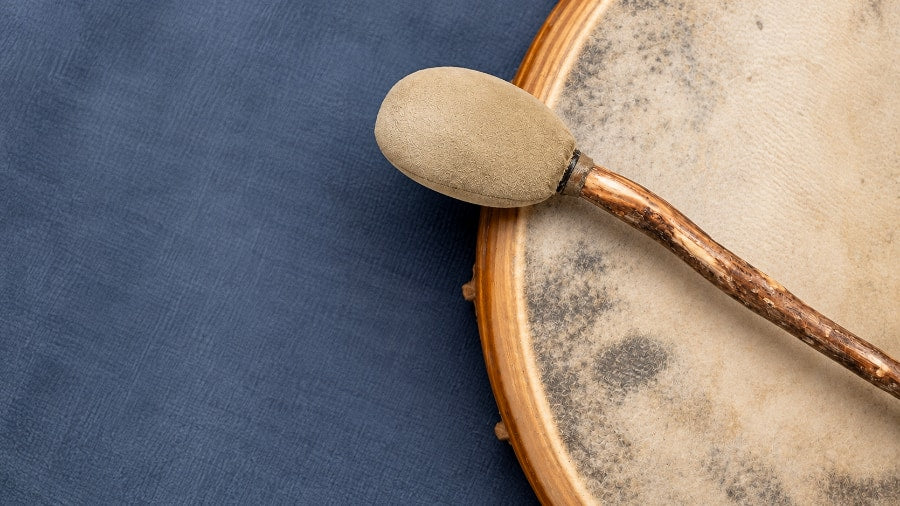
Close up of a shamanic drum beater on a colorful background

Choosing the right beater for a shamanic drum directly affects the sound, feel, and purpose of your playing. The beater determines whether the drum produces a deep grounding pulse or a sharp strike. Most shamanic drums are designed to be played with a soft-headed beater, allowing the drum to resonate fully without overpowering the natural tone of the hide. Using the correct beater removes guesswork and ensures your drum is ready to use from the moment you begin playing.

The Best Type of Beater for a Shamanic Drum

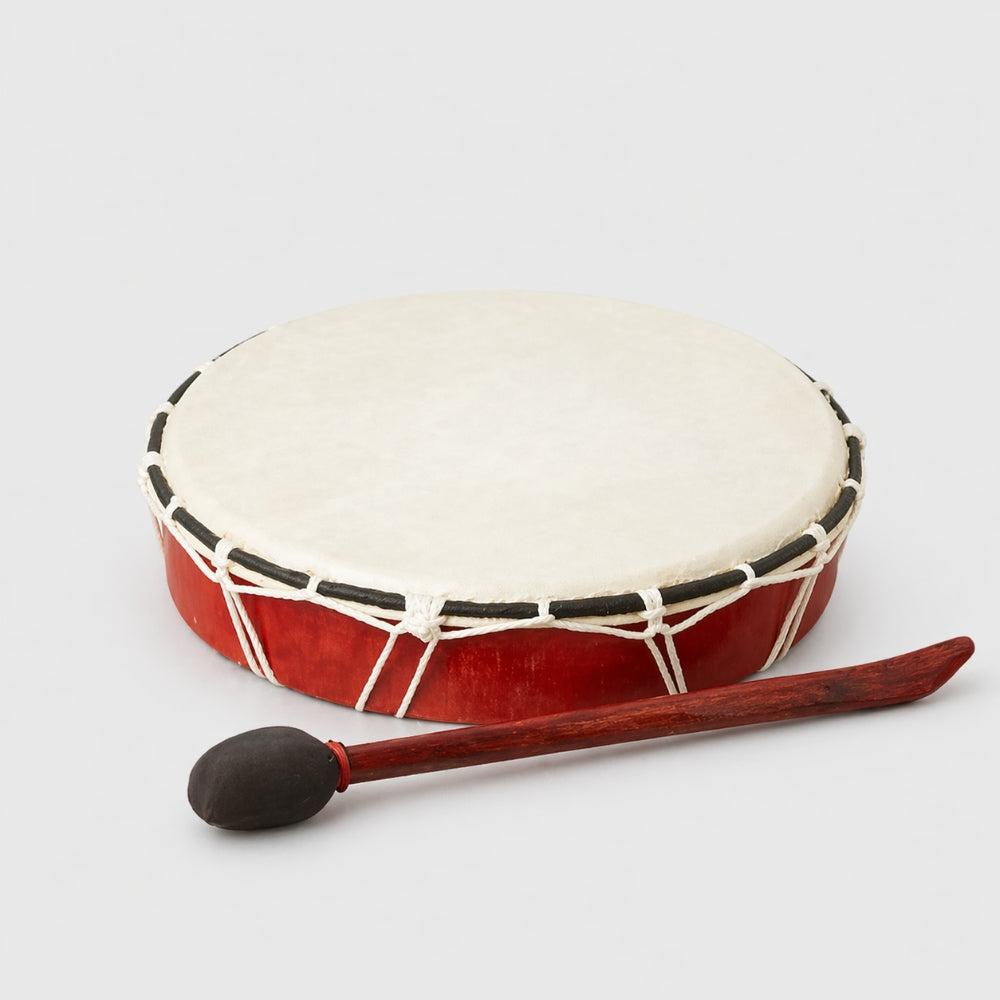
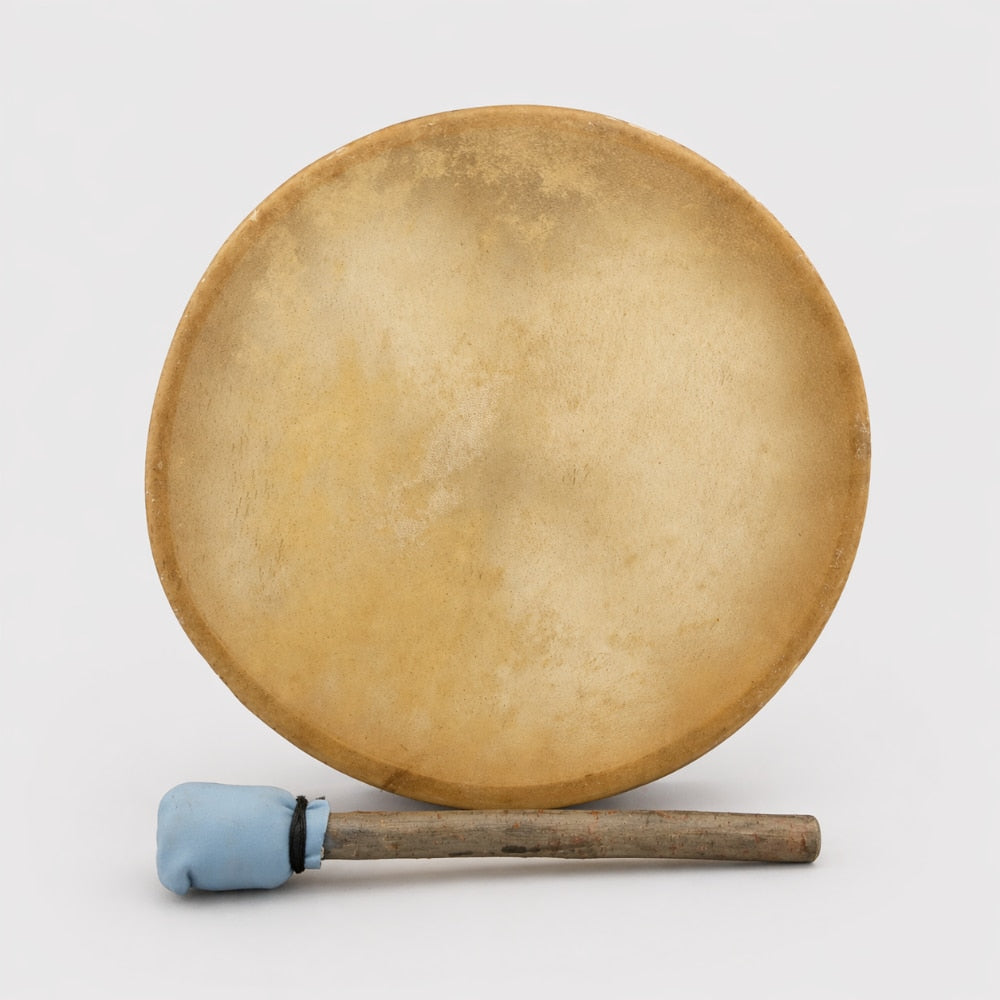
A soft-headed shamanic drum beater is the best choice for almost all shamanic and frame drums. These beaters are typically made with a padded head wrapped in leather or suede, which creates a warm low-frequency sound that supports meditation, journeying, and sound healing. A soft beater allows the drum to breathe, producing a consistent heartbeat-like rhythm without harsh overtones.

How the Beater Affects Sound and Playing Feel

The weight, softness, and balance of a beater all influence how the drum responds. A heavier, well-padded beater produces a deeper, more grounding tone with minimal effort, while a lighter beater offers greater control and faster rhythms. Soft leather heads reduce unwanted slap sounds and protect the drum skin, making them ideal for long sessions. The right beater also reduces hand fatigue, helping you stay focused on rhythm rather than technique.

Matching the Beater to Your Drum Size and Use

Drum size matters when choosing a beater. Larger shamanic drums generally pair best with slightly heavier beaters to fully activate the drum’s low-end resonance, while smaller frame drums benefit from lighter, more agile beaters. If you use your drum for journeying or ceremonial work, a softer round-headed beater is ideal. For rhythm practice or group settings, a firmer but padded beater can offer clearer articulation without losing warmth.

Do Shamanic Drums Come Ready to Use?

Many high-quality shamanic drums are designed to be complete, ready-to-play instruments, often paired with a suitable beater from the start. This removes uncertainty for beginners and ensures the drum sounds as intended. However, having an additional or alternative beater allows you to fine-tune your sound, adapt to different environments, and extend the lifespan of your drum by rotating accessories.

Where to Buy A Shamanic Drum Beater?

dark brown shamanic drum beater

Once you know which beater you need, the next question is where to buy one that matches your drum properly. Specialist drum beaters made specifically for shamanic and frame drums are designed with the correct materials, balance, and softness to complement natural hides. Choosing a dedicated shamanic drum beater ensures reliable sound, protects your instrument, and removes the trial-and-error of using unsuitable alternatives. This makes it easy to upgrade your setup or replace accessories while keeping your drum sounding its best.

Buy a Shamanic Drum Beater here.

Leave a comment

All comments are moderated before being published

Featured products

handcrafted antares panpipes from Peru
Antares Bamboo Panpipes
Sale price$44.00
Sold out
quena andean flute with colourful case
Quena Andean Flute
Sale price$90.00
Only 1 unit left
The natural coconut shell 7 note thumb piano kalimba with carved gecko design held in the hand to show scale size.
Kuta Thumb Piano Kalimba 7 note - Natural
Sale price$55.00
Only 1 unit left

Blog posts

View all
Close up of a shamanic drum beater on a colorful background

What Beater Should You Use for a Shamanic Drum?

MusicRyan Bomzer
Choosing the right beater for a shamanic drum directly affects the sound, feel, and purpose of your playing. The beater determines whether the drum...
Man holding up a shamanic rattle and drum on a forest background

What Are Shamanic Rattles Used For?

MusicRyan Bomzer
Shamanic rattles are used for rhythm, grounding, meditation, and ceremonial sound work. They provide a steady, intentional pulse that helps focus a...
Close up of a single kashaka shaker on a dark background

Which Kashaka Shaker Should You Buy?

MusicRyan Bomzer
Choosing the right kashaka shaker depends on how you want to play, how you learn best, and what kind of sound and feel you prefer. Below, we break ...