
The Indian Dholak drum is a traditional percussion instrument originating from India. It features a distinctive barrel-shaped body with two drumheads, one larger than the other, which are usually made of animal skin or synthetic materials.
The Dholak is played by hand, with one side producing bass tones and the other higher-pitched tones, allowing for a wide range of rhythmic patterns and dynamic expression. It is commonly used in various forms of Indian music, including classical, folk, and contemporary genres, as well as in cultural celebrations and religious ceremonies.
The history and origin of the Indian Dholak
The Indian Dholak drum has a history rooted in ancient India, where it was a key percussion instrument in folk and classical music. Over time, it adapted to regional styles and modern influences while preserving its cultural identity. With its unique shape and versatile sound, the Dholak became integral to traditional music and rituals across the Indian subcontinent, evolving from earlier percussion instruments and gaining widespread popularity in many musical genres and celebrations.
Uses for the Dholak
The Dholak is a widely used percussion instrument across Northern India, playing a vital role in classical, folk, and devotional music. It supports vocals and instruments with rhythmic patterns in classical settings, while in folk traditions, it's central to festivals, weddings, and ceremonies, adding vibrant energy. Its distinct sound is also popular in contemporary genres like fusion, pop, and film music, and it’s commonly played at family gatherings alongside similar drums like the nāl, dholki, and dhol.
How to play the Dholak
The dholak is a two-headed hand drum played while seated, with the drum resting across the lap or tilted on the floor. The right hand plays the treble head using sharp finger strokes around the rim to produce crisp, high-pitched tones like “Na” or “Ta.” The left hand plays the bass head with open-handed slaps or dampened taps in the center, producing deeper sounds like “Ge” or “Dha.” By alternating hand techniques and learning basic rhythm patterns, players can create dynamic, syncopated rhythms common in folk, devotional, and Bollywood music.
Buying Guide for Beginners
When buying an Indian Dholak drum, focus on the quality of materials like the wood body and skin heads, as they impact sound and durability. Choose reputable manufacturers or skilled artisans known for traditional craftsmanship.
Consider the drum’s size, weight, and tuning options to match your playing style and music. Always test the drum’s sound and playability before purchasing to ensure it meets your expectations for tone, responsiveness, and feel. This approach helps you select a high-quality Dholak that will last for years.
Where to buy the Indian Dholak?
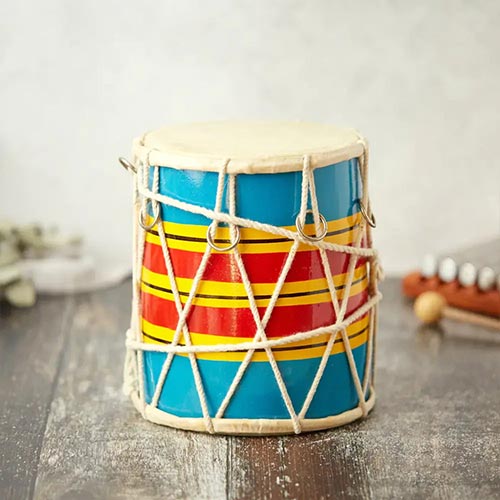
Investing in an Indian Dholak provides a traditional sound, improves rhythmic skills, and invites exploration of Indian musical heritage. Whether you're a beginner or professional, this versatile, rewarding drum—typically made of wood with skin-covered heads and pitch-adjusting rope—adds value to any collection.