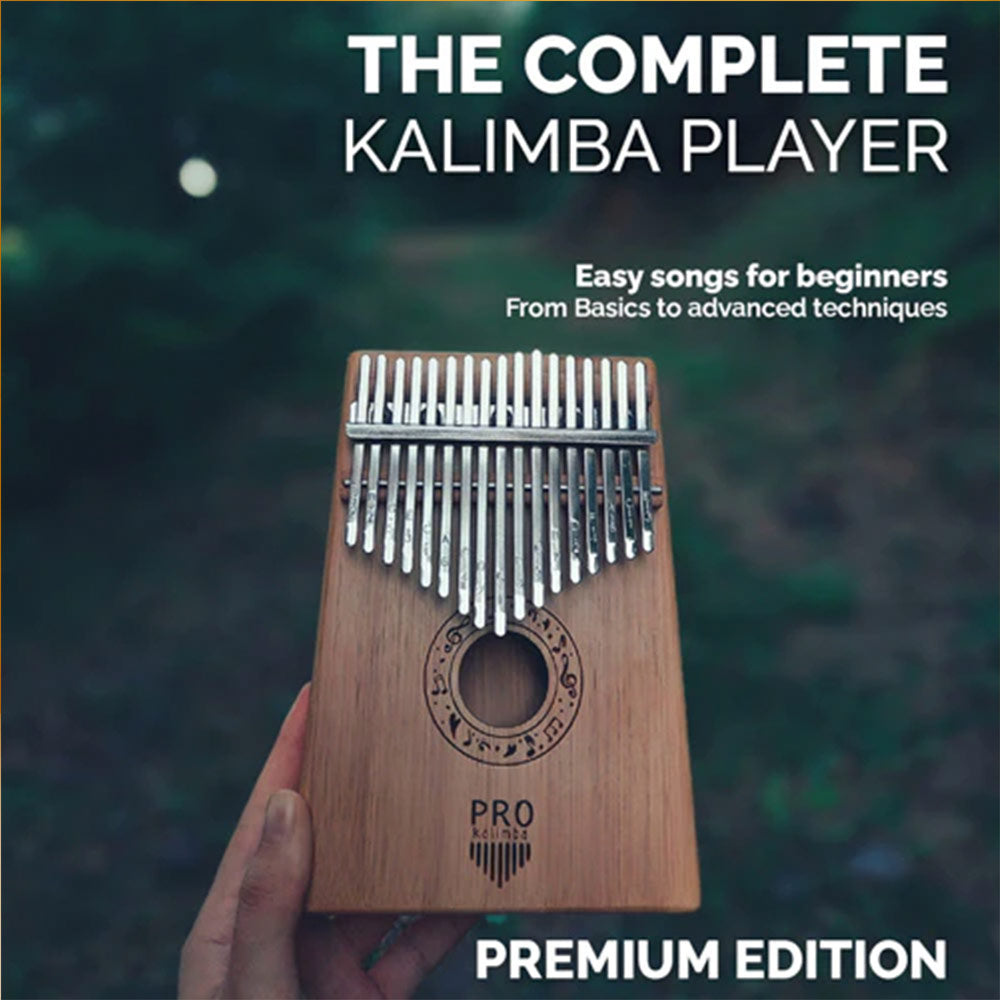
Blog
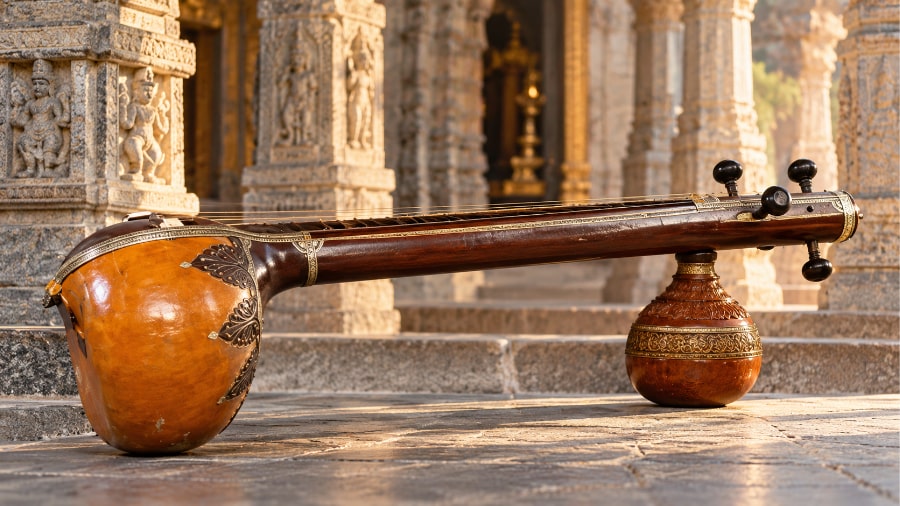
Musical Instruments Used In Temples
Indian temples use a wide range of musical instruments during worship, rituals, processions, chanting and dance. This guide explores some of the mo...
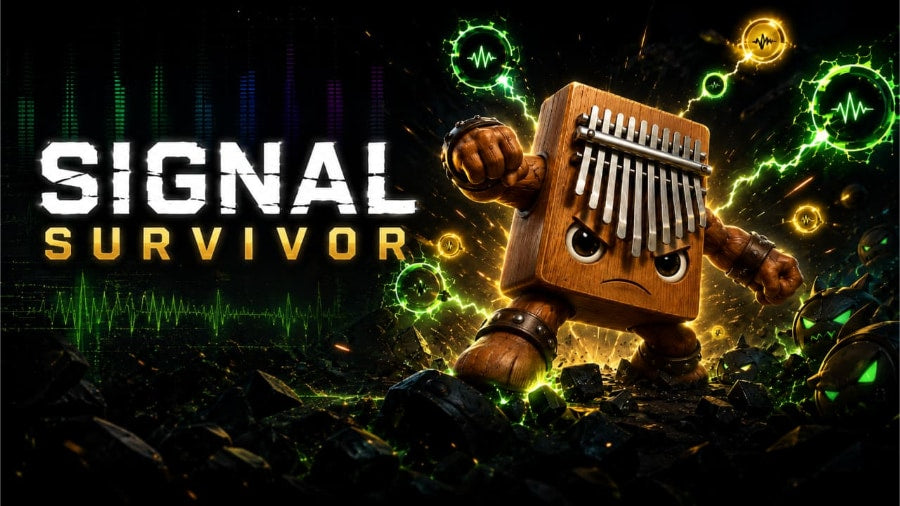
Carved Arcade Launches Signal Survivor
Carved Arcade has launched Signal Survivor, a free browser-based survival game where players battle against noise, survive incoming waves and upgra...
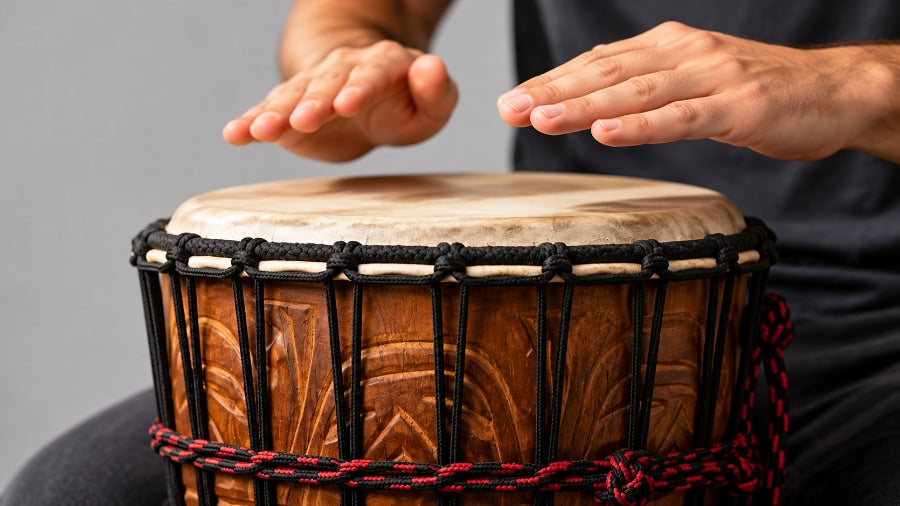
How to Play the Djembe Drum
Learning to play the djembe starts with three core sounds: bass, tone and slap. In this guide, you’ll learn how to hold and position the drum corre...
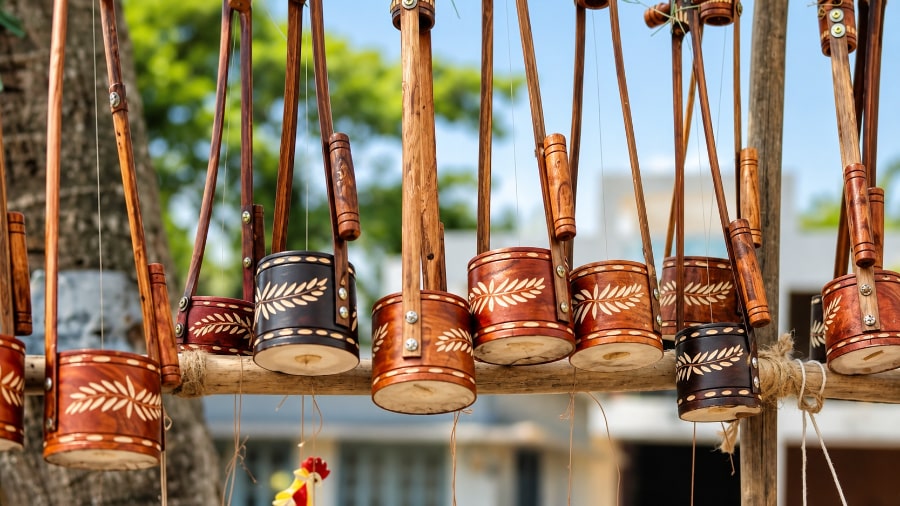
How To Play The Ektara Gopichand (Tutorial)
Learning how to play the Ektara Gopichand is surprisingly simple: you pluck its single string to create a drone, then squeeze and release the flexi...
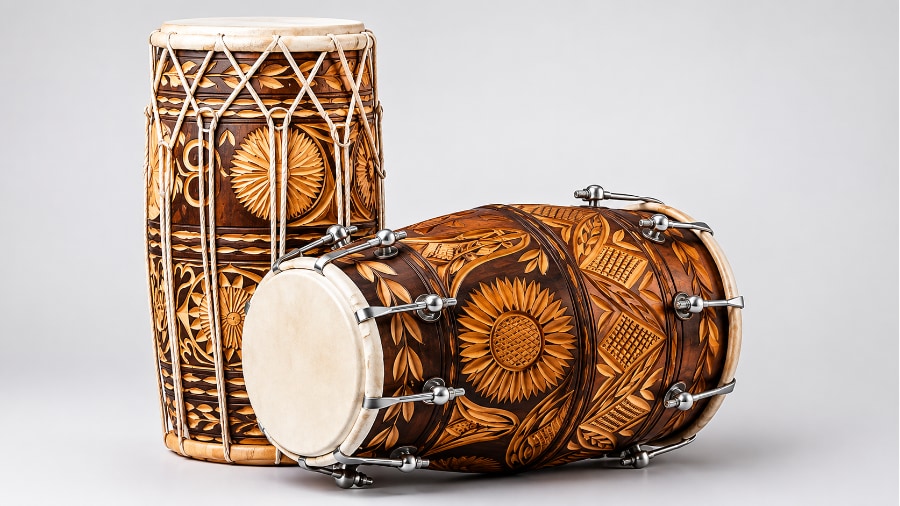
Indian Dholak Drum - Complete Guide
If you’re looking to understand the Indian dholak or choose one to play, this complete guide covers everything you need to know. You’ll learn about...
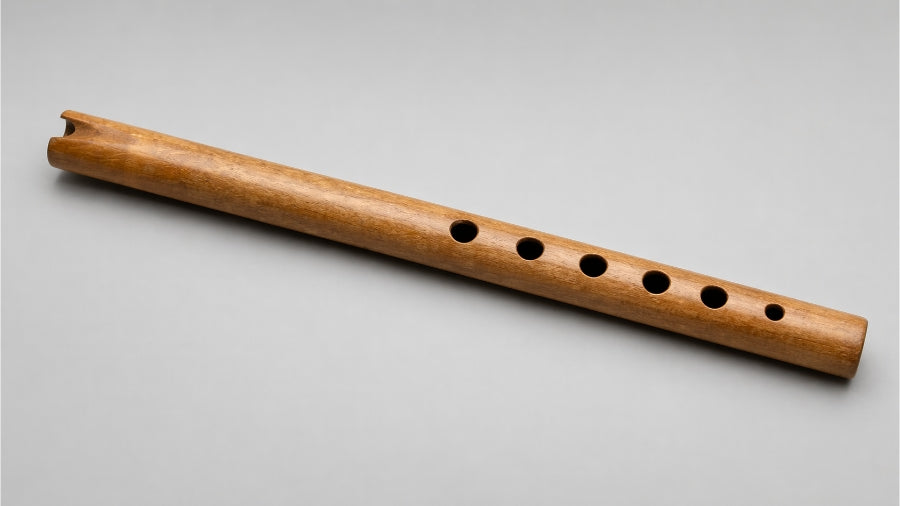
How to Play the Quena Flute
Learning to play the quena starts with one key skill: producing a clear, consistent tone. The fingerings are relatively straightforward, but becaus...
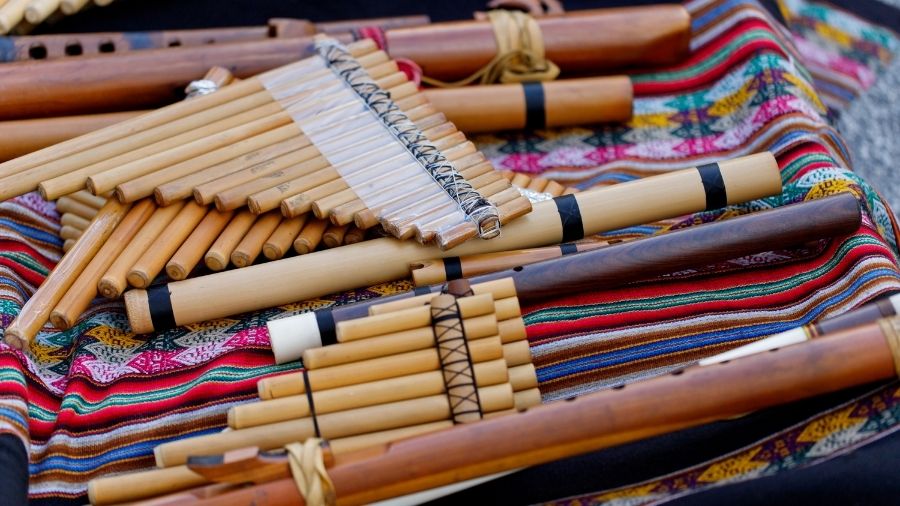
Traditional Peruvian Musical Instruments
Peru's musical traditions are rich with history, heavily influenced by indigenous cultures, and have evolved through centuries of blending with Spa...
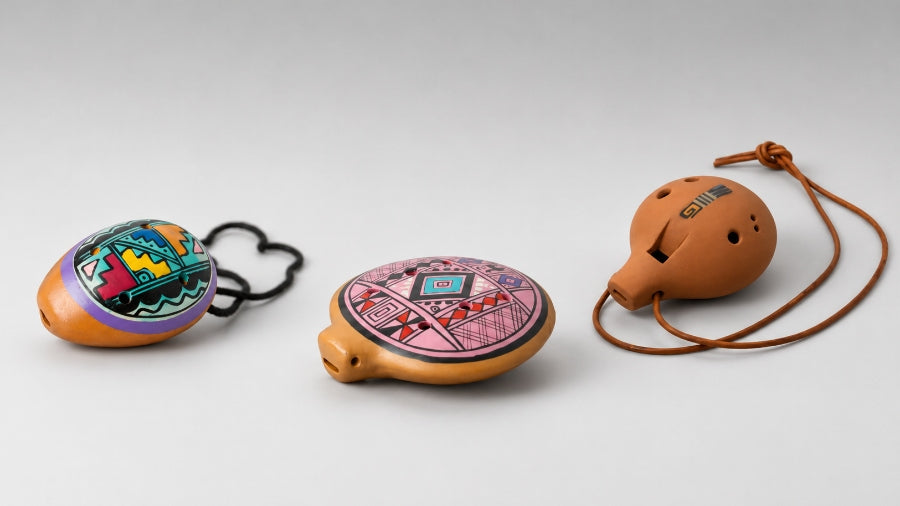
The Complete Ocarina Guide
If you’re new to the ocarina, the different shapes, hole counts, materials and playing styles can make choosing one confusing. This complete guide ...
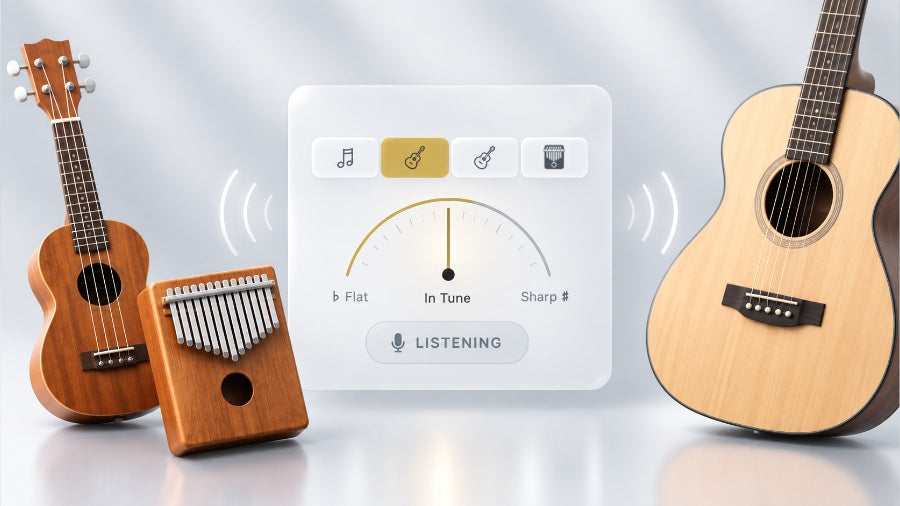
Free Online Instrument Tuner
Tune a guitar, ukulele or kalimba in your browser using your microphone. See whether each note is flat or sharp, and adjust until it reads in tune. No app needed.
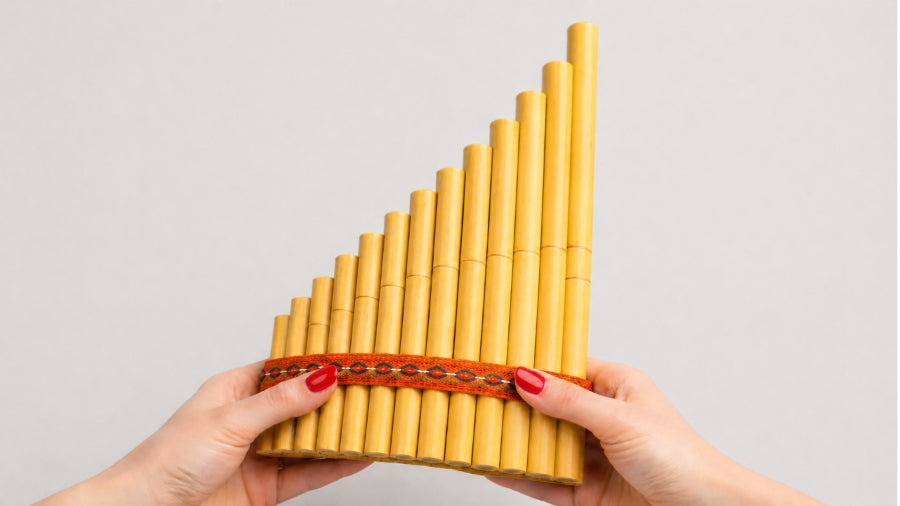
How to Play the Panpipes for Beginners
Learning to play the panpipes is easier than it looks once you understand the basic technique. In this beginner’s guide, you’ll learn how to hold t...