
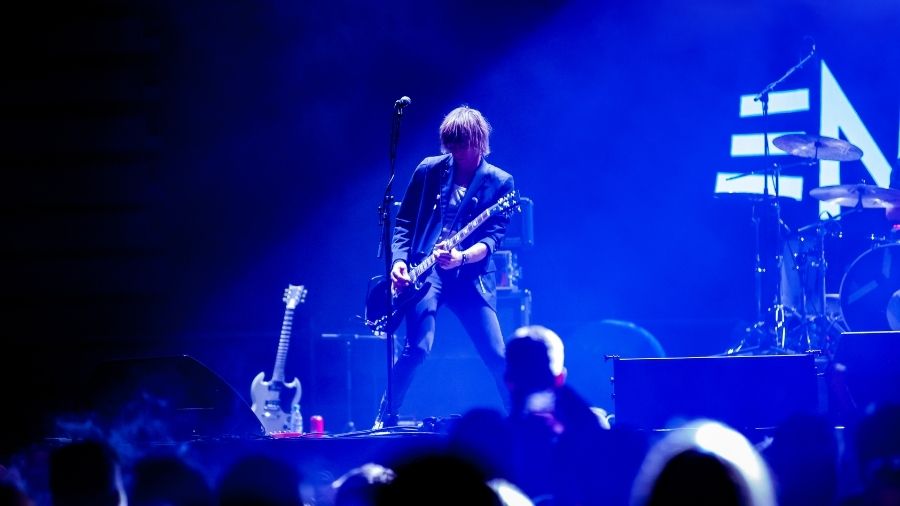
Every cultural musician has a unique story and a different journey, and their music blends with their profound experiences. Flourishing from the echoes of tradition, cultural musicians carry an inherent passion that makes an impact. We will discover the journey behind the melodies and charisma that shine through during each stage performance.
Life of Cultural Musicians
Musicians have lives that are filled with many elements. From their daily commitment, perseverance and sacrifice. Their journeys involve gruelling practice sessions and refinement of their craft, showcasing their passion. Every day, musicians go beyond just playing notes on a musical instrument; they work hard on continuous improvement in many areas directly and indirectly associated with their music.
The Role of Training
Training is the most essential ingredient for any musician's success. A musician's training shapes their talent musically and creates their personal brand. Developing skills comes from training and ranges from developing a unique style to learning how to market, move on stage, and use technology in valuable ways.
Essential elements of a musician's training include:
- Skill Development: Numerous hours are dedicated to honing their skills, perfecting every note, rhythm, and instrument they undertake, and working towards mastery.
- Vocal Training: For singers, discipline in pitch and tone is rigorously pursued. They train tirelessly to hold notes longer, reach new octaves, and improve their vocal texture.
- Instrument Mastery: Instrumentalists specialize in their chosen instruments, sometimes trying to master several more to be more versatile.
- Scales and Notes: Testing and experimenting with scales is a substantial part of their training. This allows them to understand music configurations better and add depth to their compositions.
- Mentorship: The guidance offered by their mentors and teachers is invaluable. These artists have a wealth of knowledge and experience that allows them to grow as musicians.
- Theoretical Knowledge: Understanding a basic music theory level, like reading scores and musical notation, is essential.
- Conditioning and Physical Training: Artists often require stamina and control for performances; hence, physical conditioning can also be part of their training.
- Cultural Understanding: Training in cultural music includes understanding the musical genre or instrument style so that students can build on the foundation and expand on it instead of starting from scratch with a new style.
- Emotional Connection: Forming an emotional connection with the music is essential to express the emotions that a particular piece can invoke accurately. Part of this means emotionally giving yourself away to the music.
- Performance Practice: Rehearsing in a performance-like setting helps performers prepare for the experience and improve their stage presence. Practising leads to improvement, but actual rehearsing is a small part of the bigger whole.
The Preparation Phase
Preparation for a stage performance is a rigorous regime cut from the same cloth as dedication. It involves detailed rehearsal, tuning melodies, and concocting just the right tempo and beat, all in pursuit of the perfect symphony. In parallel to this physical preparation, musicians engage in a mental odyssey, wrestling against stage fright and honing their confidence to face the cheering crowds.
The Big Night - Stage Performance
The stage performance is the crescendo of their perpetual toil and relentless passion. It's a night high on adrenaline rushes, a confluence of excitement and nerves. The dialogue with the live audience, their reactions, and feedback echo the surreal experience of a musical journey shared.
Post-Performance Reflections
Every performance, every standing ovation, is followed by a period of contemplation and review. This timeframe involves dealing with critique, savouring the praise, and learning from each performance. Being an artist means evolving continuously, making each applause a milestone and each critique a stepping stone toward improvement.
The Impact of Music on Society
Cultural musicians are the beats pulsating at the heart of society. Their music inspires, unifies, and breathes life into cultures. Through their melodies, they narrate tales of their heritage, etching an indelible impact on society and preserving nuances of cultures that history often leaves behind. Feel free to share your favourite performance story or leave a comment.


