
Worst doesn’t always mean useless or unmusical. In most cases, it means unreasonably difficult, impractical, expensive to maintain, or simply hostile to beginners and listeners alike. Below are instruments that earn their reputation not because they’re jokes, but because they create real problems in sound, learning curve, cost, or upkeep. This list focuses on genuinely problematic instruments, not novelty items or memes.
Oboe
The oboe is widely considered one of the hardest instruments to play well, demanding intense breath control, precise embouchure, and constant reed adjustment; reeds wear out quickly, are expensive, and often need to be handmade, while even experienced players struggle to maintain a stable, consistent tone—making it one of the least beginner-friendly instruments ever created. Why it’s terrible: a brutal learning curve, constant reed maintenance, and an unforgiving tone. Who it’s for: highly disciplined classical musicians only.
Theremin
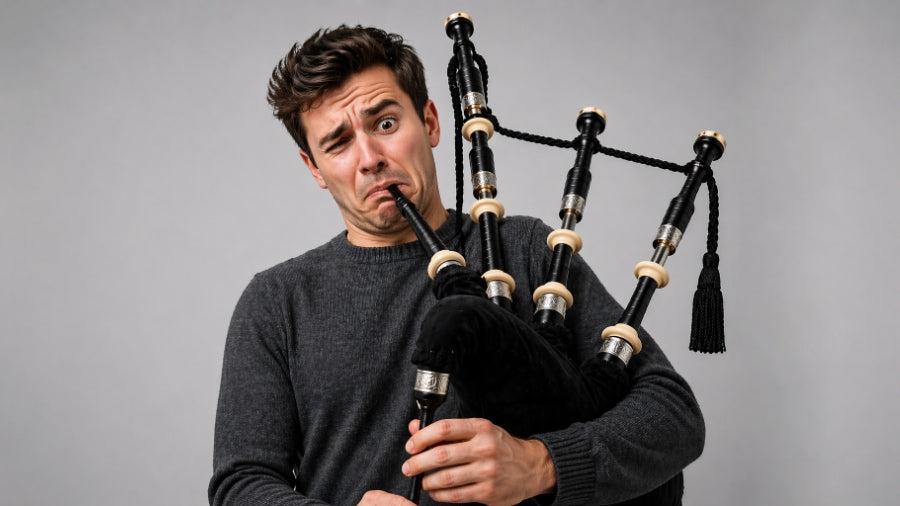
Bagpipes
Bagpipes are mechanically complex, physically demanding, and extremely loud, requiring simultaneous control of breath, bag pressure, precise fingering, and the tuning of multiple drones, while their volume makes quiet practice difficult and learning socially challenging. Why it’s terrible: tuning instability, overwhelming volume, and high coordination complexity. Who it’s for: dedicated traditional players only.
Recorder
The recorder itself isn’t inherently awful, but mass-produced plastic versions commonly used in schools are often badly tuned, shrill, and played without proper guidance, resulting in poor sound, bad habits, and long-term damage to the instrument’s reputation. Why it’s terrible: low-quality versions dominate, harsh tone, and poor early education. Who it’s for: early learners with proper instruction and higher-quality instruments.
Shelmai
Shawm-style instruments like the shehnai or shelmai are extremely loud and highly reed-sensitive, originally designed for outdoor ceremonies rather than controlled indoor settings; without expert breath control and precise embouchure, they produce piercing, unstable tones that are difficult to manage, with extreme volume, demanding reed control, and a harsh, penetrating sound that makes them best suited to traditional ceremonial musicians.
Fire Organ
Tubas and Large Brass
Large brass instruments like tubas accumulate condensation and saliva inside the tubing, requiring frequent cleaning and regular maintenance; although musically powerful and valuable in ensembles, they are physically demanding, expensive to maintain, and impractical for most casual players due to their size, moisture buildup, and ongoing upkeep.
Violins
Instruments That Get Blamed (But Don’t Belong Here)
Some instruments often labelled “the worst” are misunderstood rather than poorly designed, including the Triangle, Trombone, Kazoo, and Tambourine. These instruments do exactly what they are built to do, but they are often introduced without proper context, technique, or musical sensitivity. In the right hands, each can sound controlled, expressive, and musically effective. Poor tone usually comes from misuse, overplaying, or lack of guidance—not bad design—so the issue is rarely the instrument itself, but how it is taught and played.
Where to Buy Great Musical Instrument

A musical instrument feels “bad” when it’s hard to play, sounds poor without advanced technique, or requires more effort than reward. A great instrument should feel inspiring from the start—easy to learn, enjoyable to play, and built to last. Our collection focuses on handcrafted percussion and wind instruments made from natural materials, carefully sourced from around the world. Whether you’re looking for a kalimba, djembe, flute, didgeridoo, rainstick, maracas, or a unique gift, you can choose an instrument designed to encourage real music-making—not frustration.


