Explore the world of traditional Filipino musical instruments, from the Kulintang to the Agung, Tambuli, and Bandurria. This guide covers their sounds, playing techniques, and uses in Filipino music, rituals, and celebrations. Gain insights into their historical and modern roles, and deepen your appreciation for these unique instruments.
1. Kulintang

The Kulintang is a traditional percussion instrument from the Philippines, primarily associated with the Muslim communities of Mindanao. Originating from Southeast Asia, it has evolved alongside Filipino culture, especially among the Maguindanao, Maranao, and Tausug peoples.
The instrument consists of a row of small gongs, each tuned to a specific pitch and mounted on a wooden frame. Played during rituals, festivals, and social events, the Kulintang enhances weddings with its tones. It may also feature larger gongs, such as the agong and gandingan, contributing to its layered harmonious sound. You can learn more about the history of the Kulintang in our complete guide.
2. Kutiyapi or Kudyapi

The Kutiyapi, also known as Kudyapi, is a traditional Filipino string instrument, commonly found in Mindanao and the Visayas. Made from locally sourced wood, such as jackfruit, it features a long neck, hollow body, and two to four strings, often made from nylon or animal gut. Historically, it was used in folk songs, and communal gatherings.
3. Luntang

The Luntang is a traditional Filipino percussion instrument used in indigenous music and rituals. Made from bamboo, wood, or metal, it produces various pitches when struck.
Discover similar chime instruments.
4. Babendil

The Babendil is a small percussion instrument from the southern Philippines, traditionally used by the Maguindanao and Maranao peoples in cultural ceremonies. Made from brass or bronze, it features a cylindrical body with a flared opening, resembling a small gong. The Babendil was crafted using traditional metalworking techniques and produces a bright, resonant tone when struck with a mallet.
5. Kubing

The Kubing is a traditional Filipino mouth harp made from a single piece of bamboo, typically 8 to 12 inches long. The bamboo instrument is similar to the Indonesian Karinding jaw harp, the Kubing produces sound by plucking or flicking the bamboo tongue, causing it to vibrate. Used historically in Mindanao and the Visayas for storytelling.
6. Tongatong

The Tongatong is a traditional Filipino percussion instrument from the southern Philippines, including Maguindanao and Maranao. Made from bamboo or wood, it features vertically arranged slats of varying lengths. When struck with a mallet or another tongatong, each slat produces a specific pitch, adding depth and texture to traditional music.
7. Agung

The Agung is a traditional Filipino gong made of bronze or brass, suspended on a wooden frame. It’s an integral part of rituals, producing deep, resonant tones when struck with padded mallets. Often played with drums and bamboo flutes.
8. Bungkaka

The Bungkaka is a traditional Filipino percussion instrument made from bamboo or wood, consisting of hollow tubes of varying lengths and diameters. Originating from pre-colonial times, it has been integral to Filipino rituals, ceremonies, and celebrations. Played by striking or shaking the tubes, the Bungkaka produces a "boing" sound that adds texture to traditional music and dance performances. Often paired with other percussion instruments like drums and cymbals.
9. Gambal

The Gambal (or Gadang) is an important Mandaya drum used in various ceremonies and rituals. Crafted from hollowed-out tree trunks, it features deerskin drumheads—one from a male deer and the other from a female. The instrument is played with hands or a wooden stick, it accompanies gongs to create powerful rhythms.
Explore our collection of natural drums here.
10. Diwas
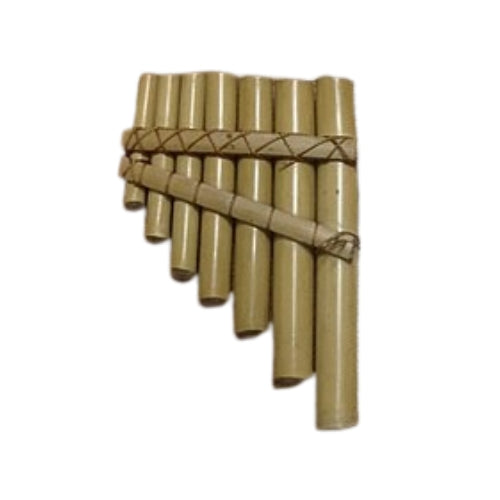
The Diwas is a traditional Filipino panpipe made from bamboo or wood, with hollow tubes of varying lengths. It has been integral to Filipino rituals, ceremonies, and social gatherings for centuries, creating unique melodic sounds when blown into. Often played solo or in small groups, it accompanies vocals and other instruments.