
Blog
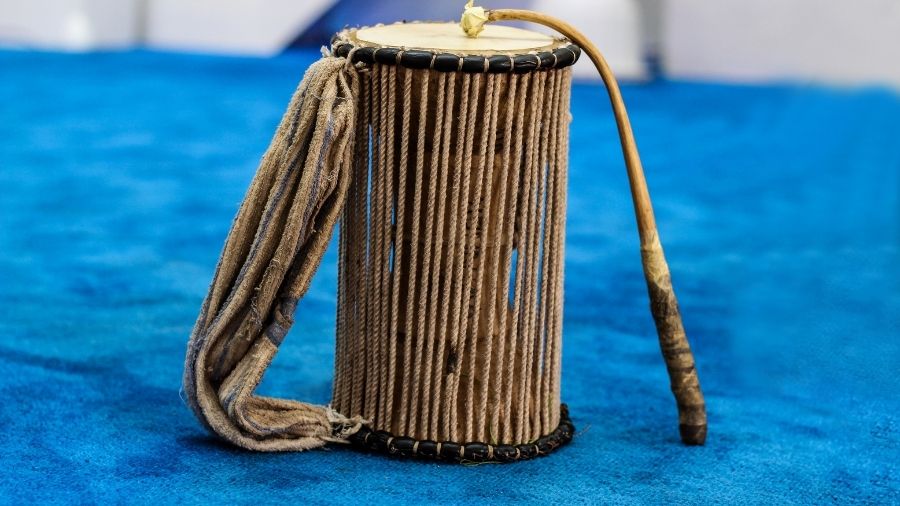
How to EQ a Talking Drum For A Clean Recording
The talking drum has a wide expressive range, sharp transients, and strong mid-range presence. To get a clean recording, EQ should focus on clarity...
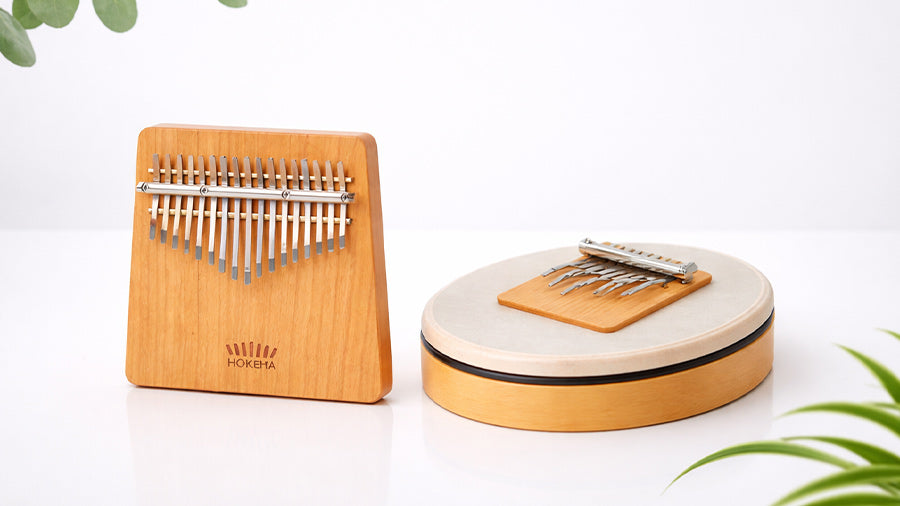
Why Hokema Kalimbas Are Expensive
Hokema kalimbas are expensive because they are built to a completely different standard than most mass-produced thumb pianos. The higher price refl...

Understanding Baritone Ukulele Tuning and Tablature
Baritone ukuleles confuse many players because they look like a ukulele but behave more like a guitar. The tuning, chord shapes, and tablature work...
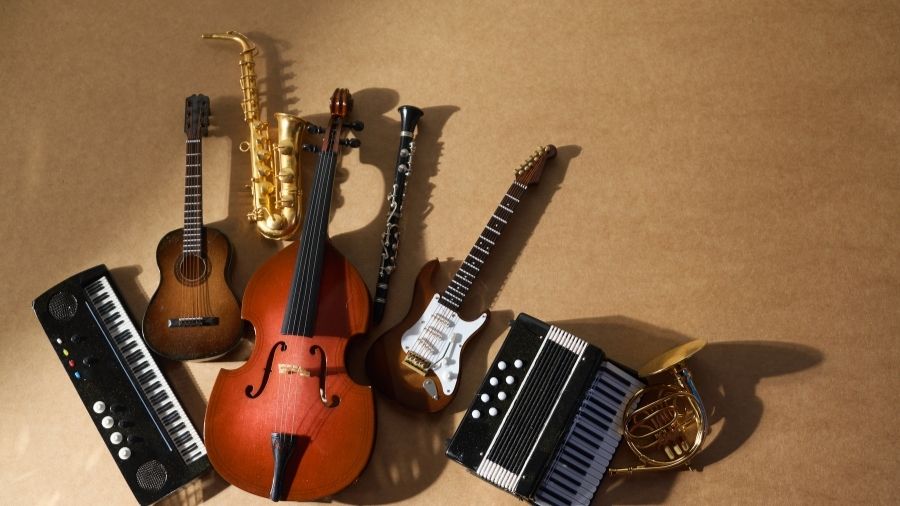
Which Musical Instrument Are You? (Interactive Quiz)
Your personality plays a huge role in how you experience music. Some people relax through gentle melodies, others need rhythm and movement, and som...
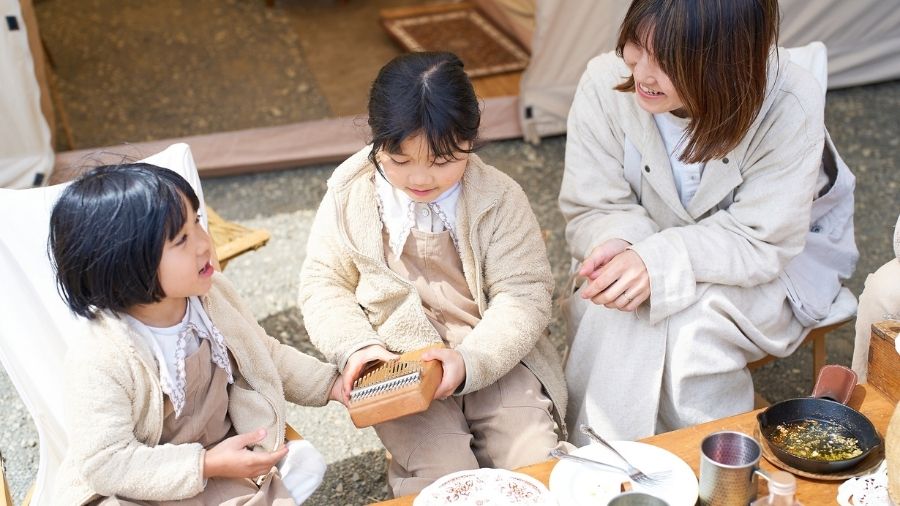
How to Compose Your Own Melodies on the Kalimba
Composing your own kalimba melodies is far more achievable than most people think. Because the kalimba is usually tuned to a diatonic scale, many n...

5 Easy Djembe Rhythms Every Beginner Should Learn First
Learning a few core djembe rhythms builds coordination, timing, and confidence faster than jumping between complex patterns. These beginner rhythms...
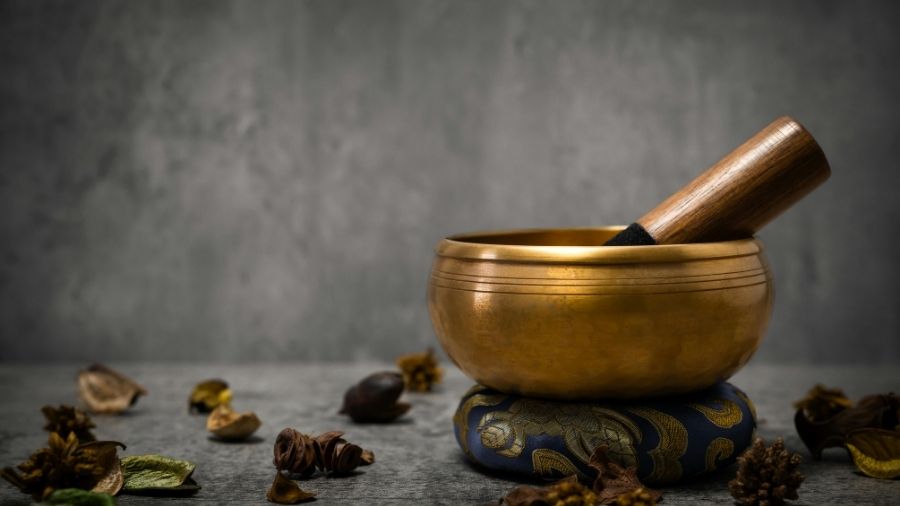
How to EQ a Singing Bowl For A Clean Recording
Singing bowls produce rich overtones, long sustain, and a wide frequency spread. A clean recording doesn’t come from heavy processing—it comes from...
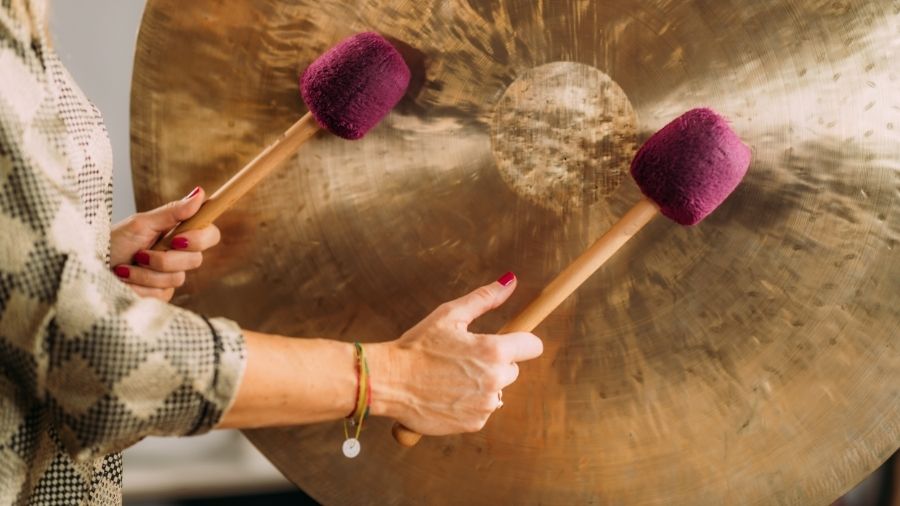
How to EQ a Gong For A Clean Recording
A gong produces extreme dynamics, complex overtones, and long decay. Clean EQ is about control and balance, not reshaping the sound. When recorded ...

10 Uses for the Thunder Drum
The Thunder Drum (also known as the Thunder Tube or Spring Drum) is one of the most powerful and misunderstood instruments in modern music and soun...
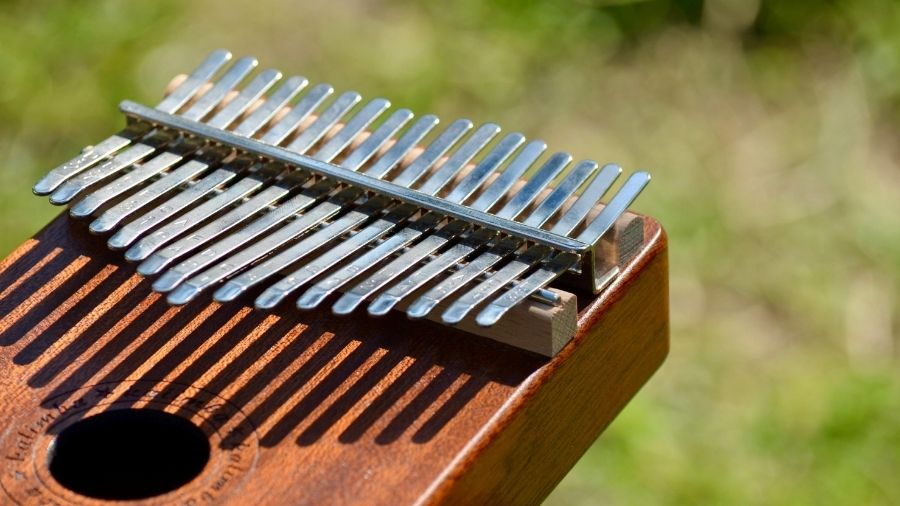
The Kalimba Dampening Technique Explained
Kalimba dampening is the technique of muting or stopping notes from ringing so your playing sounds cleaner, more controlled, and more musical, d...