
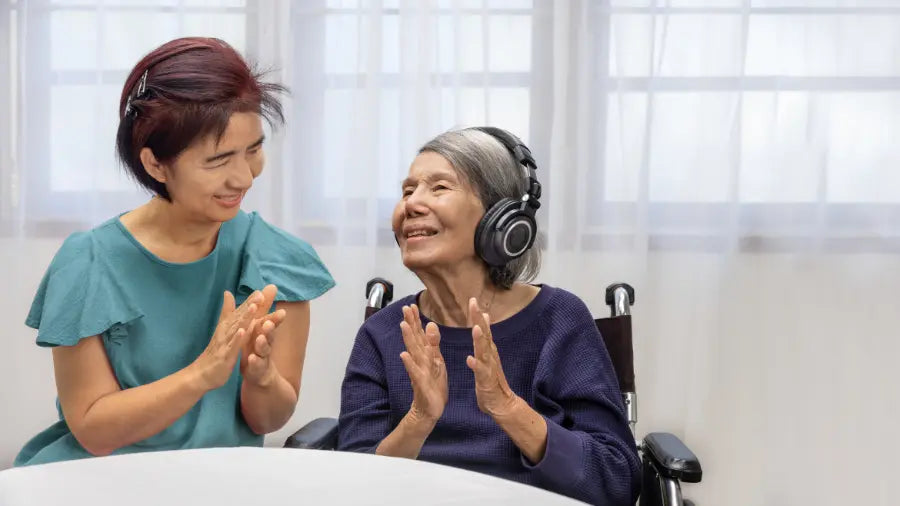
Music therapy uses sound and rhythm to promote emotional well-being, reduce stress, and improve focus. Whether you’re a certified sound therapist, wellness practitioner, or simply exploring healing through music, these activities and tools can support clients of all ages and backgrounds.
1. Rhythmic Grounding Exercises
Use simple percussion instruments—like hand drums, shakers, or tone blocks—to guide participants into rhythm-based meditation. Encourage them to play slow, steady beats in sync with their breathing. This helps regulate heart rate, reduce anxiety, and foster mindfulness.
2. Guided Sound Journeys
Combine instruments such as singing bowls, flutes, and chimes to lead clients on an immersive relaxation journey. The therapist plays in flowing patterns while participants visualize calming imagery or emotional release. This exercise works well for both group and one-on-one sessions.
3. Vocal Toning & Humming
Encourage gentle humming or toning to specific pitches. This vibration-based exercise activates the vagus nerve, helping to calm the nervous system and balance mood. Toning in unison builds connection, trust, and harmony—making it effective for groups or family sessions.
4. Emotion Mapping Through Music
Invite participants to express feelings through sound rather than words. Provide a range of instruments—kalimbas, xylophones, or bells—and let them play according to their emotions (fast for excitement, soft for calm, etc.). Afterward, discuss what each sound represented to encourage reflection and emotional literacy.
5. Movement and Sound Integration
Pair simple movement (stretching, swaying, or walking) with rhythmic instruments. This helps improve coordination, body awareness, and grounding—particularly effective for children or individuals with ADHD or autism. Children should always be supervised when using musical instruments. These tools are not toys and may pose risks if handled improperly.
6. Meditation and Sleep Tools
For relaxation-focused sessions, use instruments like rainsticks, ocean drums, or soft flutes. These produce gentle, sustained sounds ideal for sleep therapy, stress relief, or mindfulness practice. Encourage slow breathing while focusing on the fading tones.
7. Printable Worksheets & Journaling
Offer reflection worksheets or PDF journaling templates where clients can write about sensations, emotions, or imagery experienced during sound therapy. Documenting progress deepens self-awareness and helps track emotional patterns over time.
8. Essential Music Therapy Tools
Sound therapists often rely on versatile, high-quality instruments such as singing bowls, kalimbas, gongs, and shakers. These tools allow practitioners to design sessions tailored to each client’s emotional and energetic needs. Music therapy connects sound with healing—helping people of all ages relax, express, and grow.


